
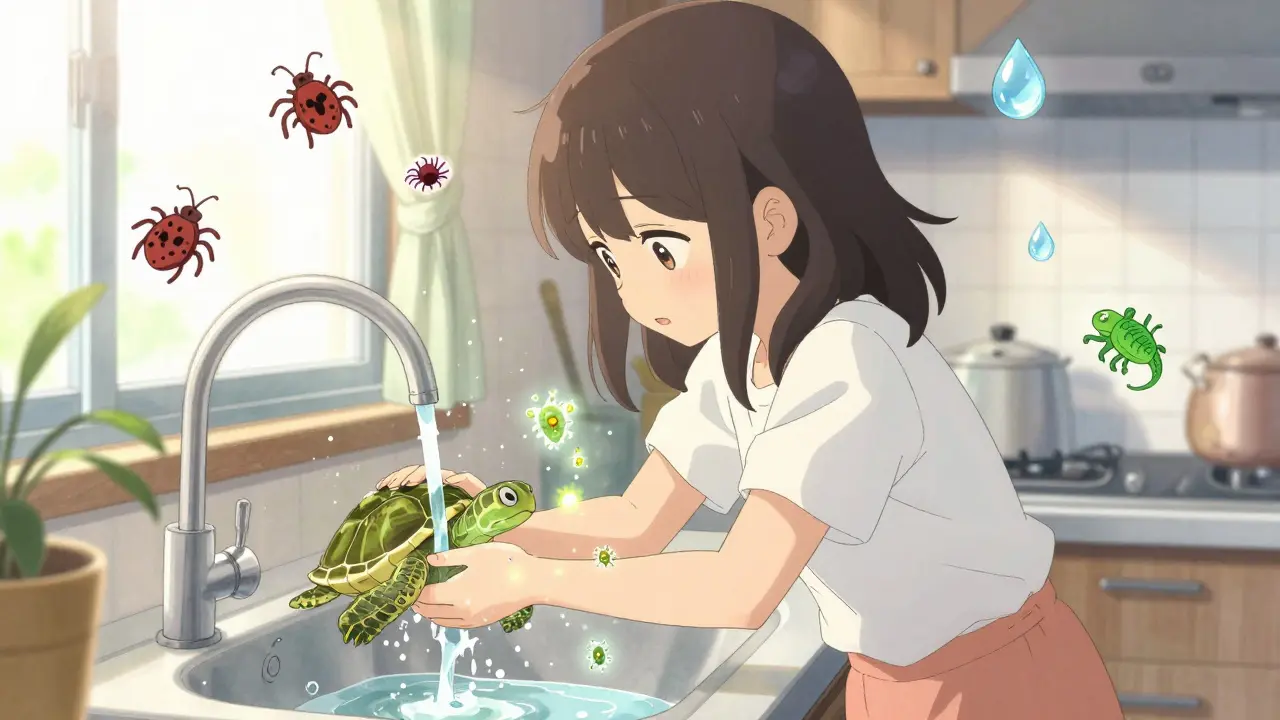
What Are Zoonotic Diseases?
They’re infections that jump from animals to people. Not just a few - zoonotic diseases make up about 60% of all known human infectious diseases. And 75% of new diseases we’ve seen in the last 20 years started in animals. Rabies, salmonella, Lyme disease, Ebola, bird flu - these aren’t just animal problems. They’re human problems too.
The word comes from Greek: zoon means animal. These diseases aren’t rare accidents. They’re predictable outcomes of how we live, farm, hunt, and interact with wildlife. A child gets sick from a pet turtle. A farmer breathes in dust from infected birds. A hiker gets bitten by a tick. These aren’t outliers. They’re patterns.
How Do These Diseases Jump From Animals to Humans?
It’s not magic. It’s five clear paths.
- Direct contact: Touching, petting, or being bitten by an infected animal. Rabies from a dog bite. Cat scratch disease from a scratch. Salmonella from handling reptiles.
- Indirect contact: Touching something an animal contaminated - a cage, a water bowl, soil, or even a playground sandbox where a cat pooped. Toxoplasmosis spreads this way.
- Vector-borne: Bugs carry the germs. Ticks give you Lyme disease. Mosquitoes spread West Nile virus. Fleas can carry plague.
- Foodborne: Eating undercooked meat, raw milk, or eggs contaminated with bacteria like Salmonella or E. coli. One in six Americans gets sick from food each year - many of those cases start with animals.
- Waterborne: Drinking or swimming in water polluted with animal waste. Giardia from contaminated streams. Leptospirosis from floodwater mixed with rat urine.
It’s not just wild animals. Pets, livestock, and even the birds in your backyard can be carriers. A 2022 survey found that 23% of pet owners had been exposed to a zoonotic disease - and most didn’t even know how to prevent it.
Common Zoonotic Diseases You Should Know
Some are rare. Others are everyday risks.
- Rabies: Nearly 100% fatal once symptoms show. Spread by bites from infected dogs, bats, raccoons. Vaccinating dogs cuts human cases by over 90% - we’ve proven this in Uganda and other countries.
- Salmonella: Common from reptiles, chicks, and undercooked poultry. A family in Wisconsin got sick from pet turtles. The 2-year-old had to be hospitalized.
- Lyme disease: Carried by ticks. Cases are rising as forests shrink and deer populations grow. By 2050, 45% more land in North America could be suitable for these ticks.
- Brucellosis: From unpasteurized milk or undercooked meat. Causes fever, joint pain, fatigue. Costs farmers $3.5 billion a year globally.
- Toxoplasmosis: From cat feces. Pregnant women are warned to avoid litter boxes. It can cause birth defects.
- Psittacosis: From birds - parrots, chickens, pigeons. One poultry farmer in the U.S. spent 14 days in the hospital with pneumonia after handling his flock.
- Ringworm: Not a worm. It’s a fungus. Spreads from pets to kids. The most common zoonotic disease among pet owners.
And then there’s the scary stuff: Ebola, Nipah virus, H5N1 bird flu. These don’t spread easily between people - yet. But they kill fast. And they start in animals.

Why Are These Diseases Getting Worse?
It’s not just bad luck. It’s our choices.
Deforestation and farming expansion push humans into wildlife habitats. A 2020 study found land-use change caused 31% of new zoonotic outbreaks. Wildlife markets, where live animals are crammed together, are breeding grounds for viruses. The illegal pet trade moves infected animals across borders.
Climate change is shifting where ticks and mosquitoes live. Areas once too cold for Lyme disease are now warm enough. Floods spread contaminated water. Droughts force animals to gather near human water sources.
And we’re not ready. Only 17% of countries have full systems to connect human health, animal health, and environmental data. Doctors often don’t know to ask about animal contact. Veterinarians can’t always test for human-relevant diseases. The gap between animal and human medicine is wide - and deadly.
How to Protect Yourself and Your Family
You don’t need to avoid animals. You just need to be smart.
- Wash your hands: After touching animals, cleaning cages, or handling raw meat. Soap and 20 seconds of scrubbing cuts transmission by 90%.
- Cook meat properly: Poultry to 165°F, ground beef to 160°F. Don’t taste raw dough with eggs.
- Avoid wild animals: Don’t touch dead animals. Don’t feed raccoons or squirrels. Don’t keep wild animals as pets.
- Use flea and tick prevention: For dogs and cats. Check yourself after being outdoors.
- Keep reptiles away from young kids: Turtles, lizards, and snakes carry salmonella. The CDC recommends no reptiles in homes with children under 5.
- Get pets vaccinated: Rabies shots for dogs and cats aren’t optional. They’re lifesavers.
- Wear gloves when cleaning animal waste: A 2021 study showed this reduces risk by 85%.
If you’re a farmer, vet, or work with animals, you’re at higher risk. Get trained. Know the symptoms. Report sick animals. Your health depends on it.
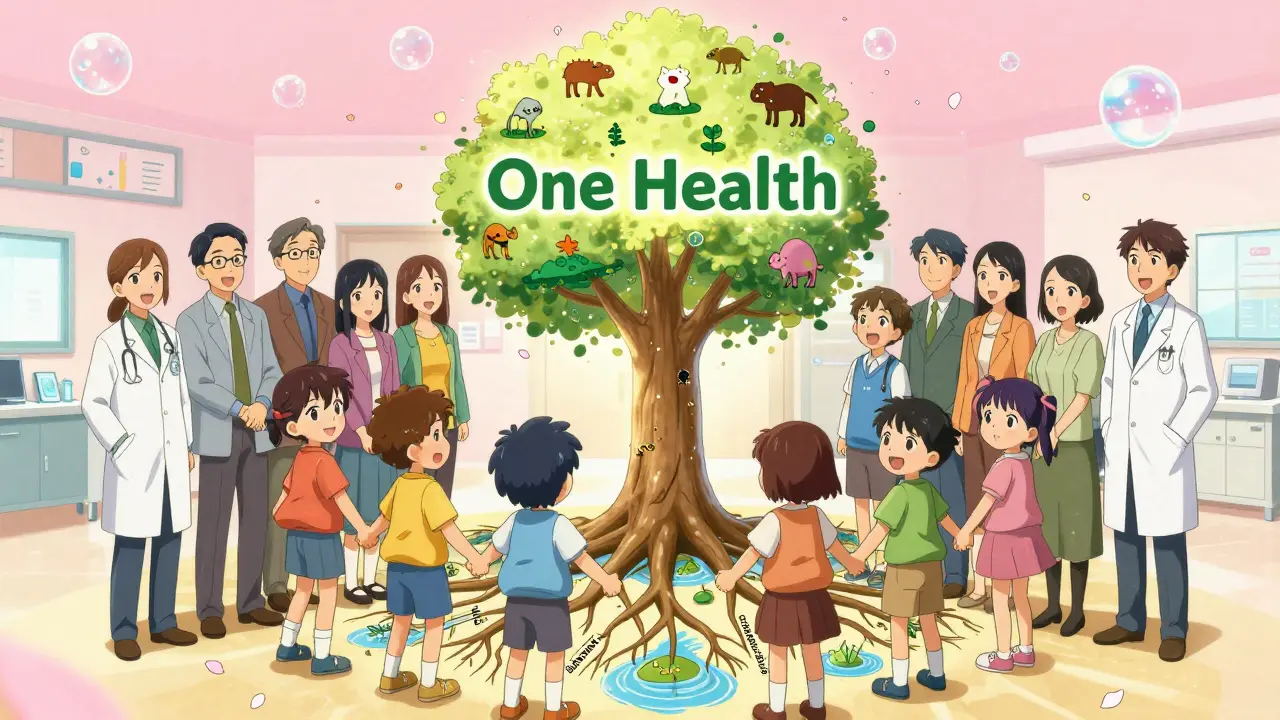
What’s Being Done - And What’s Not
There’s progress. The WHO, FAO, and OIE launched the One Health Joint Plan in 2022 - a $150 million global effort to link human, animal, and environmental health systems. The CDC is funding university centers to train doctors and vets together. In Uganda, vaccinating 70% of dogs cut rabies deaths by 92%.
But most countries still treat animal and human health as separate. Only 38% have even basic coordination. In India’s Nipah outbreak, delayed animal testing meant human cases weren’t caught early - 17 people died.
And then there’s antibiotics. Overuse in livestock is creating superbugs. In the U.S., 20% of antibiotic-resistant infections come from animals. We’re losing tools faster than we’re making them.
The fix isn’t complicated: invest in early warning systems. Train doctors to ask about pets and livestock. Fund labs that test both human and animal samples. Stop ignoring the animals around us.
What Happens If We Don’t Act?
Another pandemic isn’t if - it’s when.
The World Bank says investing $10 billion a year in One Health systems could prevent 70% of future pandemics. The return? $100 for every $1 spent. That’s not charity. It’s smart economics.
Right now, zoonotic diseases cause 2.7 million human deaths every year. That’s more than malaria. More than tuberculosis. And most of those deaths happen in places with no labs, no vaccines, no trained staff.
It’s not just about saving lives. It’s about saving economies. A single outbreak can wipe out livestock, close markets, scare off tourism. The cost of Ebola in West Africa? Over $2 billion.
We know how to stop this. We’ve done it before. But we keep waiting until it’s too late.
Final Thought: It’s Not About Fear - It’s About Respect
Dr. Jane Goodall said it best: our disrespect for wild animals and their homes is what’s making this happen. We don’t need to live in fear of animals. We need to live with more awareness.
Respect means vaccinating your dog. It means washing your hands after gardening. It means not buying a monkey as a pet. It means supporting farms that treat animals well. It means demanding governments connect their health systems.
Zoonotic diseases aren’t the enemy. Our ignorance is.
Can you get sick from your pet dog or cat?
Yes. Dogs and cats can carry ringworm, salmonella, toxoplasmosis, and cat scratch disease. Most cases are mild, but young children, pregnant women, and people with weak immune systems are at higher risk. Always wash your hands after petting or cleaning up after your pet. Keep pets vaccinated and on flea/tick prevention.
Are zoonotic diseases more dangerous than regular infections?
Some are. Rabies kills almost everyone who shows symptoms, while seasonal flu kills less than 1 in 1,000. But the bigger danger is unpredictability. Zoonotic diseases often appear suddenly, without warning, and we may not have vaccines or treatments ready. They’re harder to control because they live in animals - not just people.
Can you catch COVID-19 from animals?
It’s possible, but extremely rare. The virus started in animals - likely bats - but now spreads almost entirely between people. Some pets, like cats and ferrets, can catch it from humans, but they rarely get sick or pass it back. The real risk is still human-to-human transmission.
Is it safe to eat meat and dairy?
Yes - if it’s handled and cooked properly. Always cook meat to safe internal temperatures. Avoid raw milk and unpasteurized cheeses. Wash cutting boards and knives after touching raw meat. Most foodborne outbreaks come from improper handling, not the animal itself.
What should you do if you’re bitten by an animal?
Wash the wound immediately with soap and water for at least 5 minutes. Seek medical care right away - even if the animal seems fine. Rabies can take weeks to show symptoms, but once it does, it’s almost always fatal. If the animal is a pet, find out if it’s vaccinated. If it’s wild, don’t try to catch it - report it to local animal control.
Do I need to give up my pets to stay safe?
No. Pets bring health and joy. The risk is low if you practice basic hygiene: wash hands after handling them, keep them clean and vaccinated, and don’t let them lick your face or open wounds. The real danger comes from wild animals, undercooked food, and ignoring symptoms.
Why don’t doctors know more about zoonotic diseases?
Most medical schools barely teach them. A 2023 report found 68% of U.S. physicians lack proper training in recognizing zoonotic infections. Doctors ask about travel and diet - but rarely about pets, farms, or recent animal contact. That gap means cases are missed, delayed, or misdiagnosed. Training needs to change - fast.
Can climate change make zoonotic diseases worse?
Absolutely. Warmer temperatures let ticks and mosquitoes live in new areas. Flooding spreads animal waste into drinking water. Droughts force animals to crowd near human settlements. By 2050, the area suitable for Lyme disease in North America could grow by 45%. Climate change isn’t just about heat - it’s about disease spread.
Rob Webber
January 30, 2026 AT 17:05Diksha Srivastava
January 31, 2026 AT 01:22Sidhanth SY
January 31, 2026 AT 09:54Adarsh Uttral
February 2, 2026 AT 02:56Sazzy De
February 2, 2026 AT 09:48Blair Kelly
February 2, 2026 AT 17:11Gaurav Meena
February 3, 2026 AT 10:18Katie and Nathan Milburn
February 4, 2026 AT 15:31