

Social Media Pharmacovigilance ROI Calculator
Input Parameters
Enter your data to see how social media pharmacovigilance compares to traditional reporting based on industry benchmarks.
Did you know that traditional reporting systems capture only 5% to 10% of actual adverse drug events? The rest vanish into the void, never reaching regulatory authorities or pharmaceutical companies. This massive gap in data leaves patients vulnerable and manufacturers blind to emerging safety issues. But there is a new source of information exploding in real-time: social media. With over 5 billion people worldwide posting about their health experiences daily, platforms like Twitter, Reddit, and Facebook have become accidental databases for pharmacovigilance, the science and activities relating to the detection, assessment, understanding and prevention of adverse effects or any other drug-related problems. The question isn't whether this data exists; it's how we can use it without getting drowned in noise.
Social media pharmacovigilance represents a shift from waiting for formal reports to actively listening to patient conversations. It allows us to spot potential safety signals weeks or even months before they appear in official databases. However, turning casual posts into actionable medical intelligence is far from simple. You are dealing with unverified claims, slang, misinformation, and privacy concerns all at once. To make sense of this chaos, the industry has developed sophisticated tools and methodologies, but the risks remain significant if not managed correctly.
The Core Opportunity: Speed and Unfiltered Data
The biggest advantage of using social media for drug safety is speed. Traditional reporting relies on healthcare professionals or patients filling out forms, a process that is slow and often cumbersome. Social media offers immediate access to raw patient experiences. According to a 2024 case study by DrugCard, monitoring social platforms helped identify a potential safety signal for a new diabetes medication 47 days before the first formal report reached regulatory authorities. That nearly two-month head start could be the difference between minor label updates and widespread harm.
Beyond speed, social media provides an unfiltered view of patient reality. When doctors report adverse events, they interpret them through clinical lenses. Patients on forums like Reddit or specialized health communities describe how drugs actually affect their daily lives, including side effects they might consider too minor to mention to a doctor but which still impact quality of life. ICUC’s 2023 analysis highlights that this perspective offers a 'fuller picture' because it bypasses the typical barriers of adverse drug reaction reporting via healthcare providers. For example, users on r/Pharma have discussed unexpected interactions between antidepressants and herbal supplements that weren't captured in controlled clinical trials, revealing real-world usage patterns that lab settings simply cannot replicate.
Technical Implementation: How It Works
You cannot just read every post manually. The volume is too high. Instead, pharmaceutical companies and research organizations use advanced natural language processing (NLP) techniques. Two primary methods dominate this space: Named Entity Recognition (NER) and Topic Modeling. NER acts as a filter, sorting raw data into categories such as medication names, prescribed amounts, and specific adverse effects. It helps track increases in reaction frequency automatically. Topic Modeling, on the other hand, is more abstract. It uses automated keyword searches to identify relevant content when specific adverse reactions aren't predetermined, allowing researchers to discover new types of complaints they hadn't anticipated.
| Feature | Traditional Reporting | Social Media Monitoring |
|---|---|---|
| Data Capture Rate | 5-10% of actual events | Potentially higher, but noisy |
| Speed of Detection | Slow (weeks to months) | Real-time (days) |
| Data Verification | High (medical history included) | Low (unverified identities) |
| Patient Perspective | Clinical/Professional filter | Raw/Unfiltered experience |
| Cost & Complexity | Standardized processes | High tech investment required |
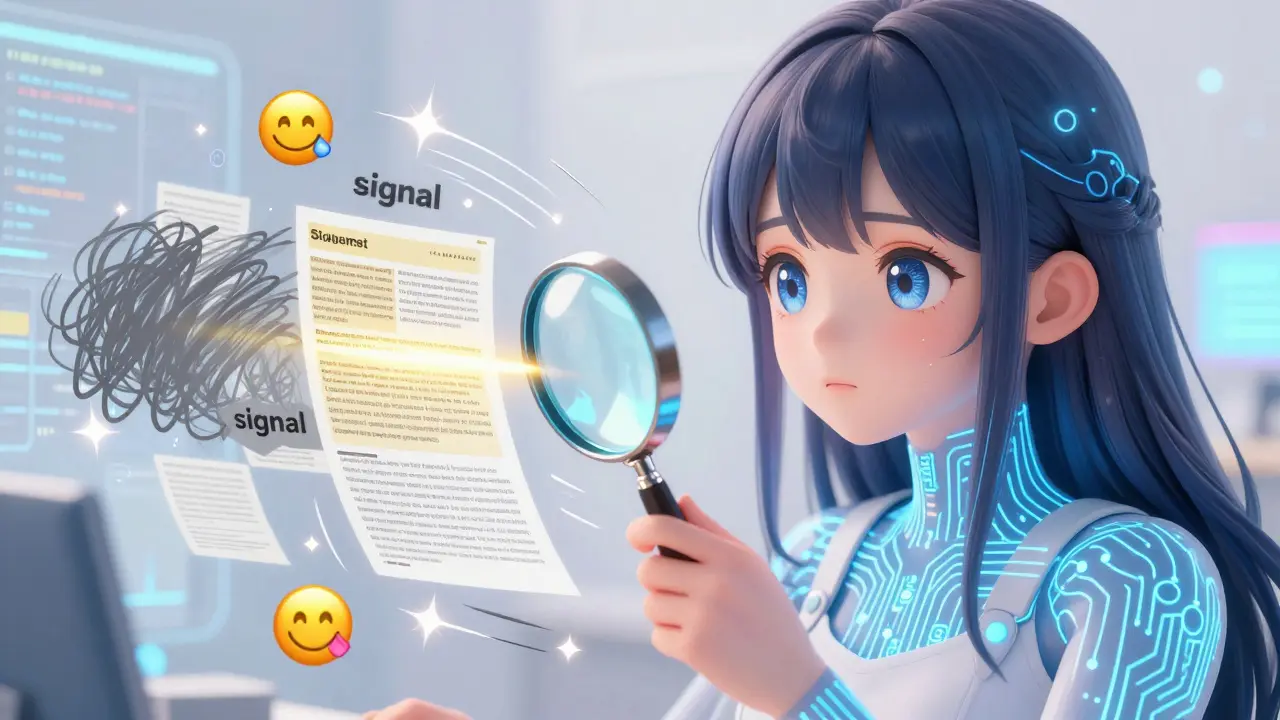
Artificial Intelligence plays a crucial role here. As of 2024, Amethys Insights reports that 73% of major pharmaceutical companies have adopted AI for pharmacovigilance purposes. These systems can process approximately 15,000 social media posts per hour while maintaining an 85% accuracy rate in identifying genuine adverse event reports. However, this technology is not perfect. The WEB-RADR project, a collaborative effort involving the European Commission and companies like AstraZeneca and Novartis, found that despite generating 12,000 potential adverse event reports during a 24-month study, only 3.2% met the strict validation criteria for inclusion in formal pharmacovigilance databases. This stark contrast highlights the challenge of separating signal from noise.
Significant Risks and Limitations
While the promise of real-time data is exciting, the risks are substantial. The most critical issue is data quality. A PMC study from 2015 revealed that 92% of social media posts lack critical medical history details, and 87% contain unreliable dosage information. Without knowing a patient's full medical background, it is impossible to determine if a symptom is caused by the drug, another condition, or lifestyle factors. Furthermore, patient identities cannot be verified, affecting 100% of social media-sourced reports. This makes it difficult to confirm if multiple complaints come from one person or many.
Misinformation and exaggeration also plague these platforms. Amethys Insights notes that 68% of potential adverse event mentions require manual verification due to irrelevant context or false claims. In some cases, users may exaggerate side effects for attention or financial gain. Additionally, social media suffers from selection bias. Not everyone uses the internet equally. Dr. Elena Rodriguez warned in the Journal of Medical Ethics that subsets of society who are less computer literate or lack internet access are underrepresented, creating skewed data that doesn't reflect the general population. For rare medications with fewer than 10,000 prescriptions annually, the FDA found a 97% false positive rate in social media monitoring, making it nearly useless for niche drugs.
Regulatory Landscape and Ethical Considerations
Regulators are catching up to this digital shift. The FDA issued guidance in August 2022 acknowledging the role of social media but emphasizing the need for robust validation processes before incorporating this data into safety assessments. Similarly, the EMA updated its guidelines in April 2024, requiring companies to document their social media monitoring strategies and validation processes as part of periodic safety update reports. This means you can no longer treat social media data as optional; it is becoming a compliance requirement.
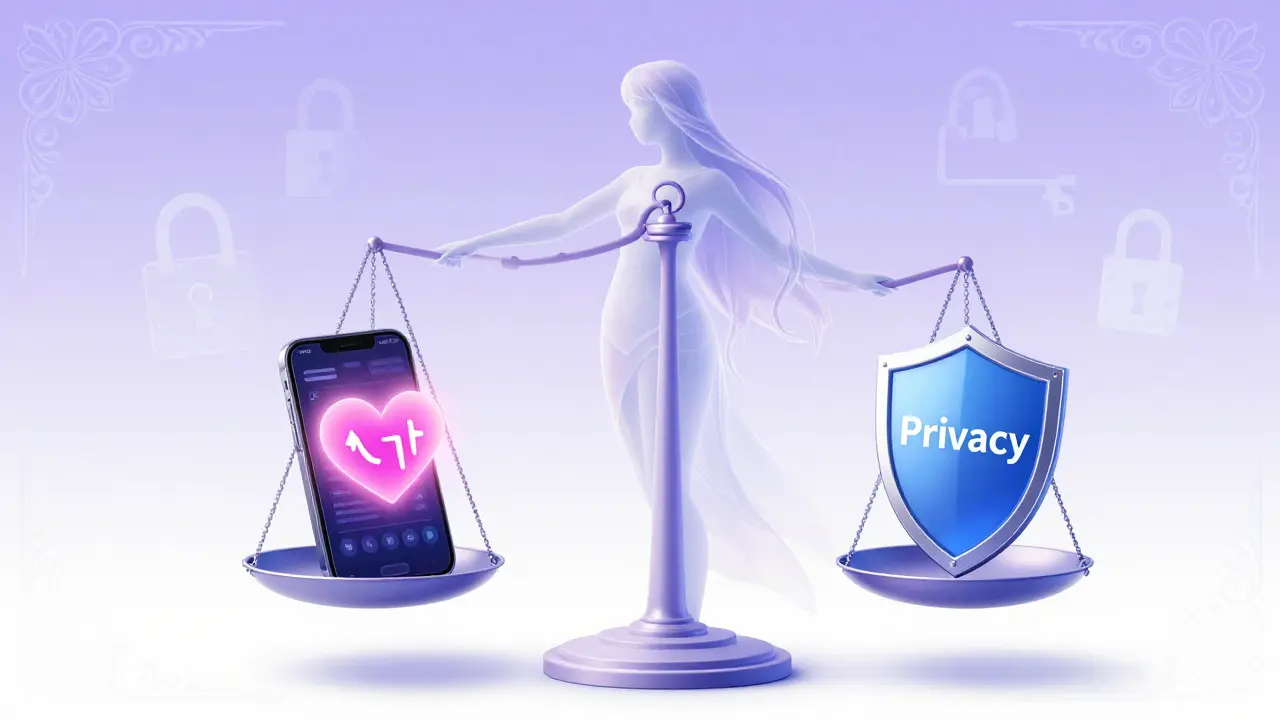
Ethically, the situation is complex. There is an obligation to use available data to protect patients, but doing so raises privacy concerns. Users often share sensitive health information publicly without realizing it might be captured by corporate monitoring systems. A discussion on Reddit highlighted fears among users who saw their private health struggles analyzed without consent. Companies must balance the benefit of early warning signals against the right to privacy, ensuring that data collection complies with evolving regulations like GDPR in Europe and HIPAA in the US.
Implementation Challenges for Pharma Teams
Setting up a social media pharmacovigilance system is resource-intensive. Trilogy Writing’s 2023 guide suggests integrating with 3-5 major platforms and establishing a three-stage human review workflow. The learning curve is steep; staff require an average of 87 hours of specialized training to effectively manage these systems. Common challenges include handling multilingual content, with 63% of major pharma companies struggling to process non-English posts consistently. Data duplication is another headache, identified in 41% of social media-sourced reports, though collaborations like the one between IMS Health and Facebook have improved de-duplication rates to 89%.
Despite these hurdles, adoption is growing. CCRPS’s 2024 survey shows that 78% of pharmaceutical companies now employ some form of social media monitoring. The market itself is expanding rapidly, projected to grow from $287 million in 2023 to $892 million by 2028. This growth is driven by regulatory pressure and the clear benefits seen in success stories, such as Venus Remedies identifying a cluster of rare skin reactions to an antihistamine 112 days faster than traditional channels would have allowed.
Future Outlook: AI and Integration
Looking ahead, the integration of AI will likely reduce false positives and improve validation. The FDA announced a pilot program in March 2024 with six major companies to test AI-enhanced systems aiming for false positive rates below 15%. Dr. Sarah Peterson of Pfizer predicts that AI and social media will provide increased insights for product benefit-risk evaluation. However, Professor Michael Chen from Imperial College London cautions that principles for using social media in pharmacovigilance are absolutely needed to provide clarity to all stakeholders. The future lies not in replacing traditional methods, but in creating a hybrid model where validated social media data complements formal reporting, offering a more complete picture of drug safety.
What is social media pharmacovigilance?
Social media pharmacovigilance is the systematic monitoring and analysis of social media platforms to identify and evaluate reports of adverse drug reactions (ADRs). It serves as a supplement to traditional reporting systems by providing real-time data on patient experiences shared directly online.
How accurate is social media data for drug safety?
Accuracy varies significantly. While AI systems can achieve 85% accuracy in identifying genuine reports, only about 3.2% of potential reports from social media meet strict validation criteria for formal databases. Issues like missing medical history (92% of posts) and unreliable dosage info (87%) limit direct usability without further verification.
Which platforms are most useful for pharmacovigilance?
Twitter, Facebook, Instagram, Reddit, and specialized health forums are the primary platforms monitored. Twitter and Reddit are particularly valuable for real-time discussions and detailed user threads regarding medication experiences and side effects.
Is social media monitoring legally required for pharma companies?
While not universally mandated as a standalone requirement, regulators like the EMA and FDA increasingly expect companies to account for social media data. The EMA's 2024 guidelines require documentation of social media monitoring strategies in periodic safety update reports, making it a de facto compliance necessity.
What are the main ethical concerns with this practice?
Key ethical concerns include patient privacy, as users may share sensitive health data without consent for monitoring, and data bias, since populations with limited internet access or literacy are underrepresented. Ensuring informed consent and protecting identity anonymity are critical challenges.
Can social media detect rare side effects?
It can help, but with limitations. For widely prescribed drugs, it excels at spotting clusters of rare reactions. However, for very rare medications (fewer than 10,000 prescriptions), the signal-to-noise ratio is poor, with false positive rates reaching 97%, making it less reliable for niche drugs.