

Why Pomegranate Juice Might Affect Your Medications
Pomegranate juiceA beverage rich in polyphenolic compounds that can inhibit liver enzymes responsible for metabolizing many prescription drugs. is often touted for its health benefits, but for people taking certain medications, it could pose risks. Unlike grapefruit juice, which has clear warnings, pomegranate juice's effects on drug metabolism are debated. Understanding medication interactions here is crucial for safety.
How Pomegranate Juice Affects Drug Metabolism
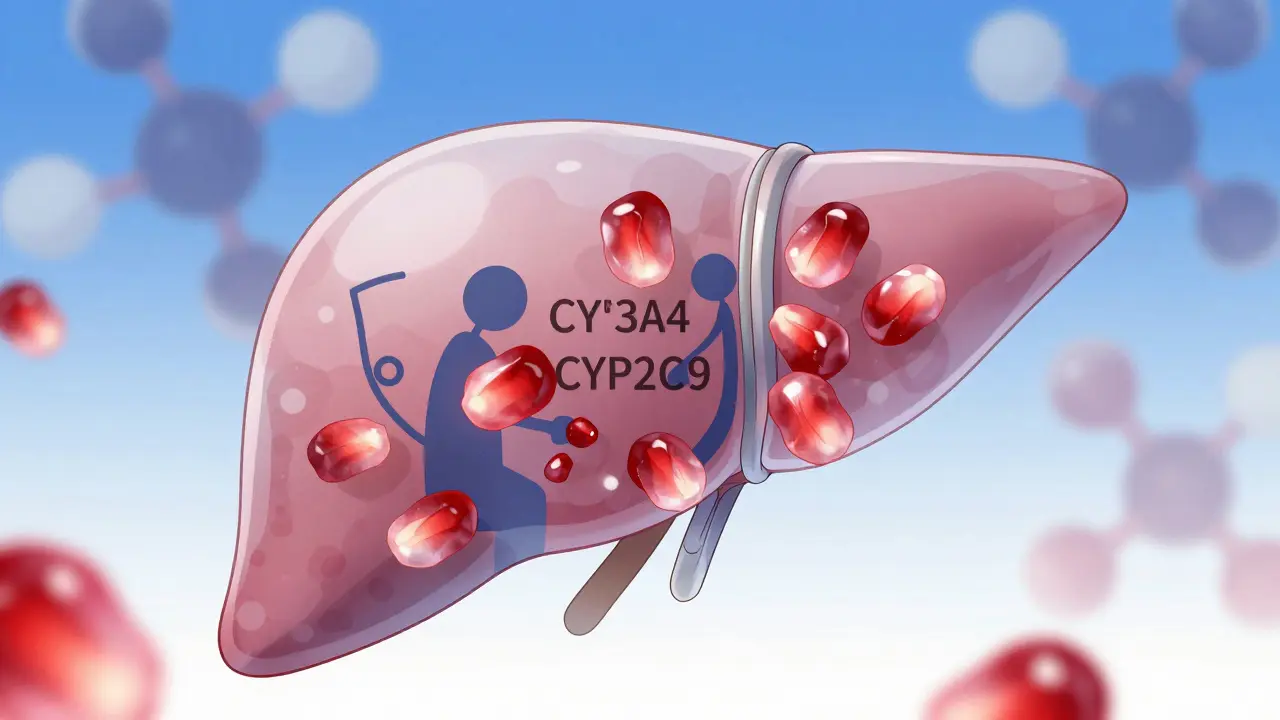
When you take medication, your liver breaks it down using enzymes called cytochrome P450. CYP3A4A major liver enzyme that metabolizes about half of all prescription drugs, including many statins and antidepressants. and CYP2C9A key enzyme involved in metabolizing warfarin and other blood thinners. are particularly sensitive to pomegranate juice. Studies show pomegranate's compounds, like punicalagins, can block these enzymes. This means medications may stay in your system longer than intended, increasing the risk of side effects or toxicity. For example, a 2010 Consumer Reports article warned about pomegranate juice interfering with ACE inhibitors and blood thinners.
Medications at Higher Risk
WarfarinA blood thinner used to prevent clots, with a narrow therapeutic index requiring precise dosing. is the most documented case. Some patients on warfarin experienced higher INR levels after drinking pomegranate juice. The International Normalized Ratio (INR) measures blood clotting time. A sudden increase can lead to dangerous bleeding. For instance, a Reddit user reported INR jumping from 2.4 to 4.7 after daily pomegranate juice consumption. However, other studies found no significant effect. StatinsCholesterol-lowering drugs like atorvastatin that may be affected by enzyme inhibition. could also have higher blood levels, increasing muscle pain risk. Antidepressants like quetiapine might be impacted too, though evidence is mixed.
Conflicting Evidence: Lab Studies vs. Real Life
Laboratory studies suggest strong inhibition of CYP enzymes by pomegranate juice. For example, in vitro tests showed 20-50% inhibition of CYP2C9. But human trials tell a different story. A 2014 study with 12 healthy volunteers found no significant change in midazolam (a CYP3A4 substrate) levels after two weeks of pomegranate juice consumption. The FDA notes pomegranate juice is less potent than grapefruit juice, which can increase statin levels by up to 15-fold. This inconsistency leaves doctors unsure about clinical significance for most medications except warfarin.
What Experts Recommend
Mayo Clinic advises patients on warfarin to avoid more than 8 ounces of pomegranate juice daily and maintain consistent intake. The American Heart Association suggests keeping consumption steady rather than stopping abruptly, as sudden changes pose greater risk. Pharmacists at UNC Eshelman School of Pharmacy recommend waiting at least two hours between taking medication and drinking pomegranate juice. Importantly, the FDA has not issued specific warnings for pomegranate juice, unlike grapefruit juice. However, the European Medicines Agency states that while interactions are theoretically possible, they're only likely for warfarin.

What You Should Do
If you take medications regularly, talk to your doctor or pharmacist before adding pomegranate juice to your diet. For warfarin users, monitor INR levels closely when starting or stopping pomegranate juice. Don't assume it's safe-some medications have narrow therapeutic windows where small changes matter. Keep a log of your juice intake and any side effects. Remember, inconsistent consumption (like drinking it occasionally) is riskier than steady, moderate intake. Always follow professional advice tailored to your specific medications.
Frequently Asked Questions
Does pomegranate juice interact with all medications?
No. Most medications aren't affected. Research shows significant interactions mainly with drugs metabolized by CYP3A4 or CYP2C9 enzymes, like warfarin, some statins, and certain antidepressants. For the majority of medications, there's little to no evidence of interaction. Always check with a healthcare provider for your specific drugs.
How much pomegranate juice is safe with warfarin?
Experts recommend limiting intake to no more than 8 ounces (240 ml) per day and maintaining consistent consumption. Sudden changes in intake can affect INR levels. Some studies show even moderate amounts may increase INR, so regular monitoring is essential. Never stop taking warfarin without medical advice.
Is pomegranate juice safer than grapefruit juice for medication interactions?
Yes, generally. Grapefruit juice is known to cause severe interactions, increasing drug levels by up to 15-fold for some medications. Pomegranate juice's effects are much milder and less consistent. The FDA has not issued warnings for pomegranate juice like it has for grapefruit. However, for medications like warfarin, both require caution and monitoring.
Should I stop drinking pomegranate juice if I'm on medication?
Not necessarily. For most medications, there's no clear risk. For warfarin or other high-risk drugs, consult your doctor. They may advise consistent moderate intake rather than stopping completely, as sudden changes can be more dangerous. Always discuss your diet with your healthcare provider for personalized advice.
Can pomegranate juice affect other health conditions?
Pomegranate juice is generally safe for most people and offers health benefits like antioxidants and heart health support. However, if you have diabetes, monitor blood sugar as it contains natural sugars. Those with kidney issues should also be cautious due to potassium content. Always talk to your doctor if you have specific health concerns.
Mark Harris
February 8, 2026 AT 03:42Pomegranate juice is great but if you're on meds like warfarin, talk to your doctor first. Simple as that.
Savannah Edwards
February 8, 2026 AT 05:28Hey everyone, I've been reading up on this and it's really important to consider how pomegranate juice interacts with medications. From what I've learned, it's not just about warfarin-statins and certain antidepressants can also be affected. But here's the thing: the research is kinda mixed. Some studies show significant enzyme inhibition, while others don't find much of an effect in real-world scenarios. For example, a 2014 study with healthy volunteers didn't see major changes in midazolam levels after drinking pomegranate juice. However, for people on warfarin, even small changes in INR can be dangerous. I think the key takeaway is consistency. If you drink pomegranate juice regularly, keep it steady rather than starting or stopping abruptly. Always consult your healthcare provider for personalized advice. It's better to be safe than sorry, especially when it comes to your health. Also, I remember reading that the FDA hasn't issued specific warnings for pomegranate juice like they have for grapefruit, which is a big deal. Grapefruit can increase drug levels by up to 15-fold, but pomegranate is much milder. Still, for high-risk meds like warfarin, it's best to be cautious. The American Heart Association suggests keeping consumption steady, not stopping suddenly. So if you're on meds, maybe talk to your pharmacist about how to safely include pomegranate in your diet. It's all about balance and informed choices.
Mayank Dobhal
February 8, 2026 AT 12:06Pomegranate juice and meds? Yeah, I've seen people get messed up. Avoid it completely. No debate.
Marcus Jackson
February 8, 2026 AT 18:59Actually, it's not that simple. The FDA says pomegranate juice is less potent than grapefruit juice. Most meds aren't affected. Only specific ones like warfarin need caution. Don't overreact. For example, statins like atorvastatin might have a slight increase in levels, but it's not usually dangerous. The key is consistency-don't start or stop drinking it suddenly. Always check with your doctor, but don't panic. Most people can safely have a glass now and then.
Natasha Bhala
February 10, 2026 AT 07:35yeah u right. its all about balance. dont stress too much. just talk to ur doc and keep it regular. pomegranate juice is good for u too if u dont have meds issues. chill out
Gouris Patnaik
February 10, 2026 AT 19:25India has been using pomegranate for centuries without issues. Western medicine overcomplicates everything. People should trust traditional knowledge.
Catherine Wybourne
February 10, 2026 AT 22:35Ah, the 'traditional knowledge' argument. While I respect cultural practices, science doesn't lie. Studies show interactions exist. But maybe not as severe as grapefruit. Let's not dismiss evidence for nationalism.
Jesse Lord
February 12, 2026 AT 12:57I think the main thing is to not panic. If you're on medication, just ask your pharmacist. They'll tell you if it's a problem. Most people can have a little juice. No need to cut it out completely.
AMIT JINDAL
February 12, 2026 AT 21:30Oh wow, you're so naive. Pomegranate juice is a superfood but for those on meds, it's a ticking time bomb. I mean, seriously, have you read the studies? CYP3A4 inhibition is real. People on statins could get rhabdomyolysis. It's not about panic, it's about being informed. Like, seriously, don't be a dumbass. 😒
Ashley Hutchins
February 13, 2026 AT 10:47People should just avoid pomegranate juice entirely. It's dangerous. My friend had a bad reaction. You're all being irresponsible.
Lakisha Sarbah
February 14, 2026 AT 18:12I don't think banning it is the answer. For most people it's fine. Just check with your doc. Don't scare everyone unnecessarily.