
Serotonin Syndrome Risk Checker
Check Your Medication Safety
This tool helps you understand the risk of serotonin syndrome when combining certain pain medications with antidepressants.
Risk Assessment
Key Information
What to do
Warning Signs
- High fever (over 40°C)
- Shaking muscles
- Confusion
- Irregular heartbeat
- Seizures
- Diarrhea
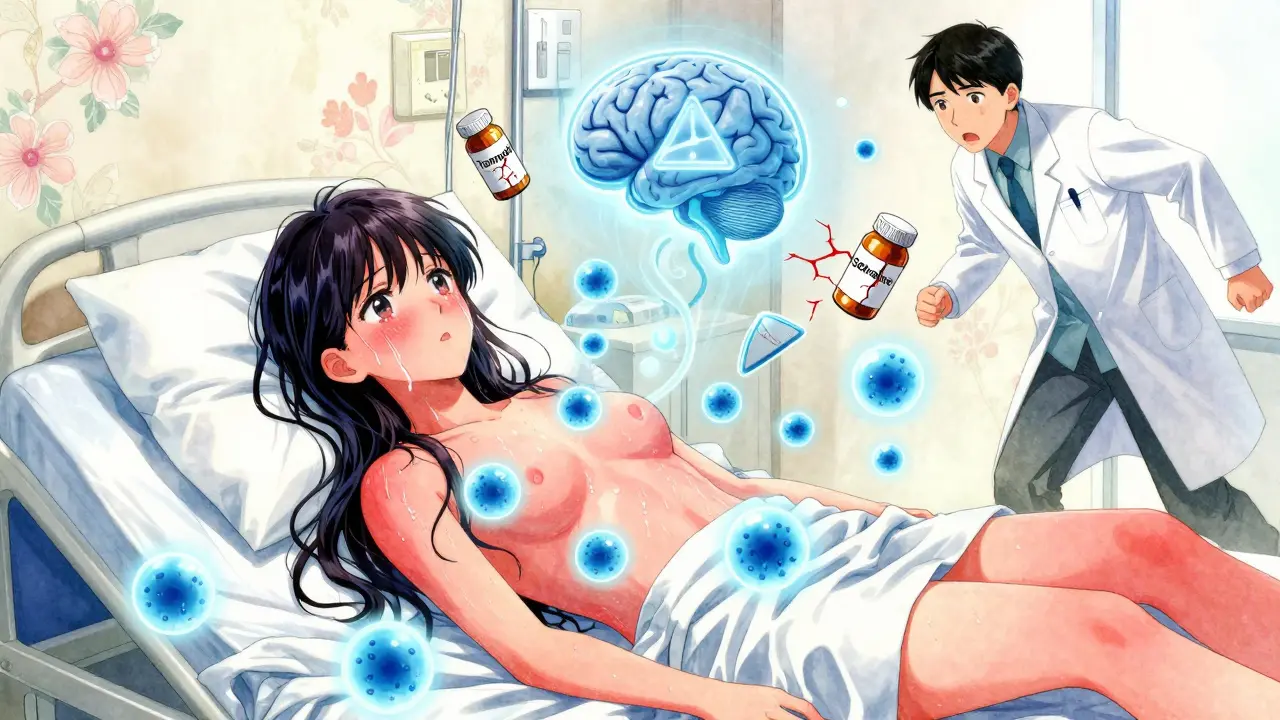
Imagine taking a painkiller like tramadol for a bad back, while also on an antidepressant like sertraline. Sounds harmless, right? But in reality, this combo can trigger something called serotonin syndrome - a dangerous, sometimes deadly, overstimulation of your nervous system. It doesn’t happen often, but when it does, it hits fast: high fever, shaking muscles, confusion, even seizures. And the worst part? Many doctors and patients don’t see it coming until it’s too late.
What Exactly Is Serotonin Syndrome?
Serotonin syndrome isn’t just a side effect - it’s a medical emergency. Your brain uses serotonin to regulate mood, sleep, and pain. But when too much serotonin builds up, your nerves go haywire. You start sweating uncontrollably, your heart races, your muscles lock up, and your body temperature can spike above 40°C. In severe cases, you can slip into a coma or die. This isn’t new. Doctors first noticed it in the 1950s after people started taking MAO inhibitors. But today, it’s mostly caused by mixing medications - especially antidepressants with certain opioids. The problem? Many people don’t realize their pain meds can be part of the problem. Even over-the-counter cough syrups can trigger it.Not All Opioids Are Created Equal
Here’s the thing: not every opioid carries the same risk. Some are basically safe. Others? They’re ticking time bombs when paired with antidepressants. High-risk opioids: Tramadol, meperidine (pethidine), and dextromethorphan (found in cough syrup) are the big red flags. Tramadol, in particular, is a double agent - it blocks serotonin reuptake AND norepinephrine reuptake. That’s why it’s involved in nearly 80% of reported cases where opioids and antidepressants mix. Dextromethorphan is even sneakier. People think it’s just a cough suppressant. But at doses as low as 30mg a day - common in cold meds - it can trigger serotonin syndrome, especially with SSRIs. There have been fatal cases from this combo. Medium-risk opioids: Methadone and fentanyl are trickier. Methadone does block serotonin reuptake, but its slow metabolism and use in addiction treatment make its risk harder to predict. Fentanyl doesn’t block serotonin much in lab tests, but in high doses - like during surgery - it activates serotonin receptors directly. That’s why anesthesiologists now treat it as a medium-risk drug. Low-risk opioids: Morphine, oxycodone, hydromorphone, and codeine? These don’t significantly interfere with serotonin. Multiple studies show they’re much safer to use with antidepressants. If you’re on an SSRI and need strong pain relief, these are the ones your doctor should pick.How Do These Drugs Actually Cause the Problem?
It’s not just one mechanism. It’s a perfect storm. Tramadol and meperidine stop your brain from reabsorbing serotonin - so it builds up. Dextromethorphan does the same. But fentanyl? It doesn’t block reuptake. Instead, it binds directly to serotonin receptors, like turning up the volume on a speaker. Methadone? It blocks reuptake but also slows down how fast your liver clears other drugs, making the serotonin overload worse. Even more complicated: some antidepressants - like fluoxetine and paroxetine - block the liver enzyme CYP2D6. That’s the same enzyme that turns tramadol into its active form. So if you’re on one of these SSRIs, tramadol doesn’t work as well for pain… but the leftover tramadol builds up and increases serotonin levels. You get less pain relief and more risk.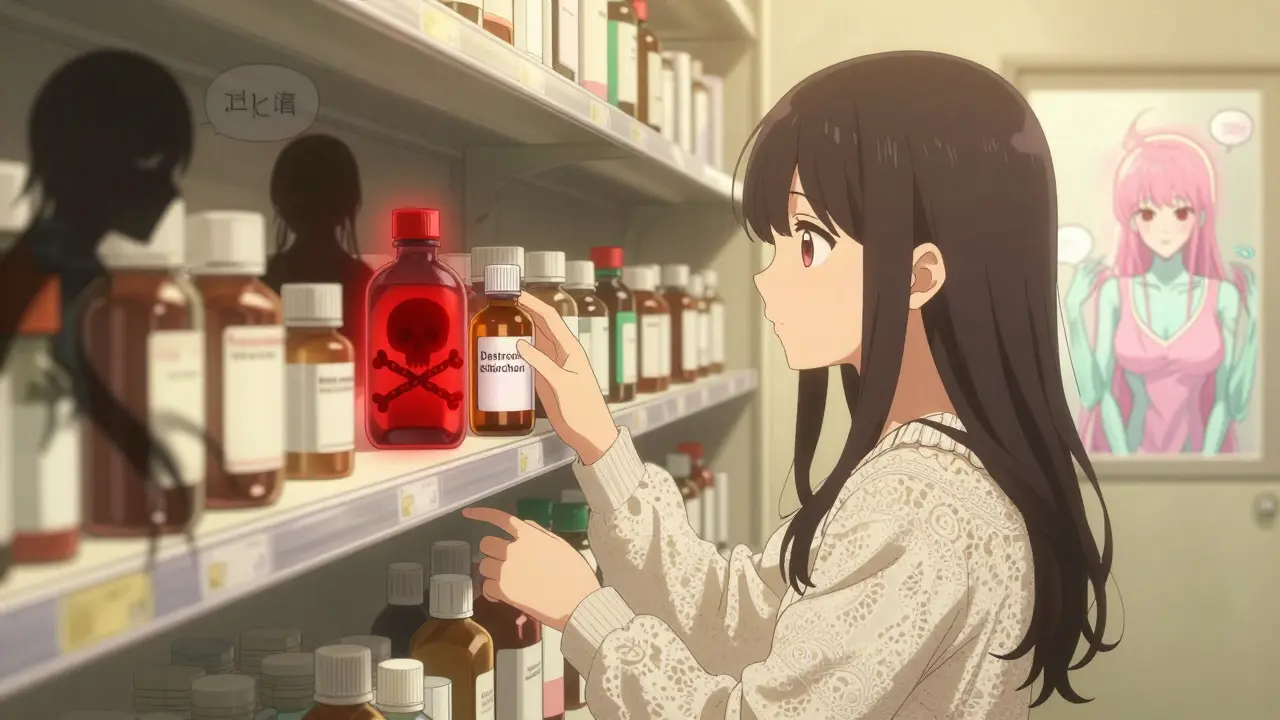
Real Cases, Real Consequences
In 2021, a 42-year-old woman in South Africa started tramadol for chronic back pain. She was already on venlafaxine for depression. Within 48 hours, she was admitted to ICU with a fever of 40.1°C, rigid muscles, and confusion. Her doctors didn’t suspect serotonin syndrome until her blood tests showed dangerously high serotonin levels. She survived - but barely. A 2019 study of 127 opioid-related serotonin syndrome cases found tramadol was behind nearly half. Meperidine was next. Dextromethorphan? It showed up in 14 cases, three of them fatal. And here’s the kicker: all three people who died were taking only 30mg of dextromethorphan daily - the same amount in a standard bottle of cough syrup. Even codeine, long thought to be safe, has triggered serotonin syndrome in patients already on antidepressants and migraine meds like rizatriptan. This isn’t rare. It’s underreported.What Should You Do If You’re on Antidepressants?
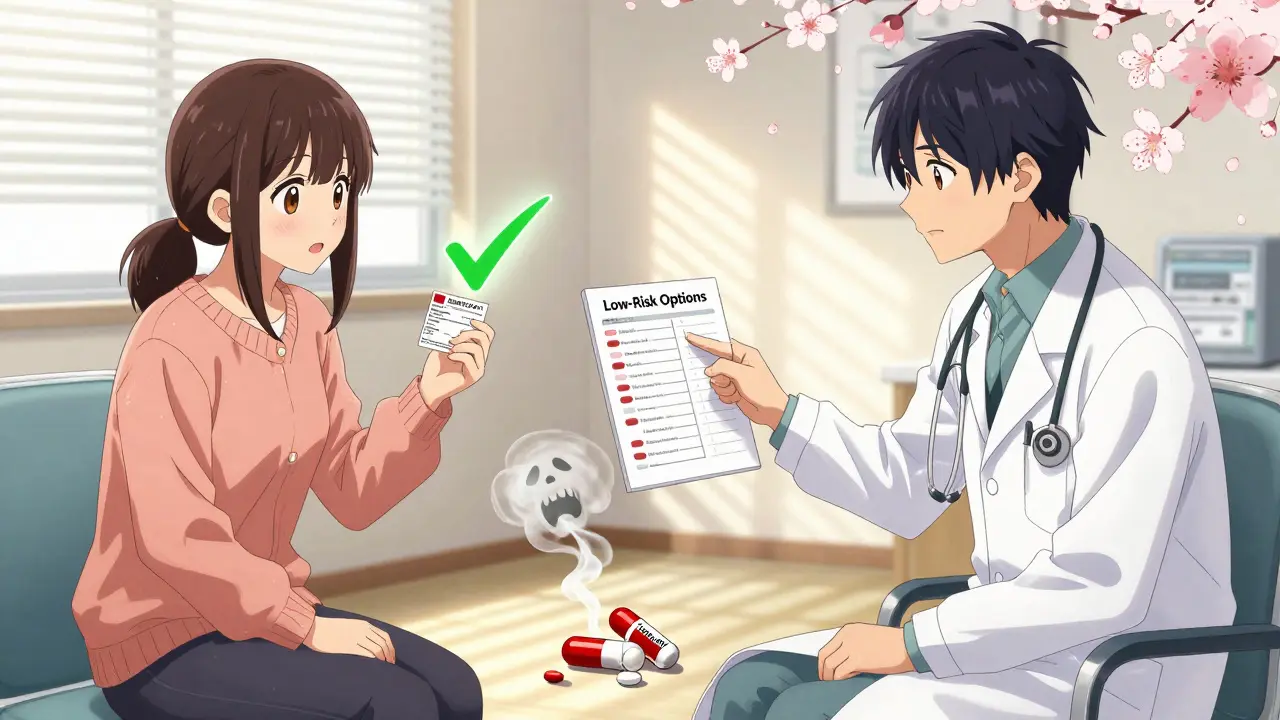
If you’re taking an SSRI, SNRI, or MAOI - and you need pain relief - here’s your action plan:- Avoid tramadol, meperidine, and dextromethorphan completely. That includes cough syrups, cold tablets, and combination painkillers. Read labels. Dextromethorphan is often hidden in “multi-symptom” formulas.
- Ask for morphine, oxycodone, or hydromorphone. These are safer alternatives. Your doctor might be used to prescribing tramadol because it’s cheaper or thought to be “non-addictive.” That’s outdated thinking.
- Don’t assume fentanyl is safe. If you’re getting it for surgery or chronic pain, make sure your anesthesiologist or pain specialist knows you’re on antidepressants.
- Watch for early signs. Shivering, diarrhea, restlessness, or sudden confusion within hours of starting a new opioid? That’s not just side effects. It could be serotonin syndrome.
What Happens If It’s Too Late?
If serotonin syndrome develops, stopping the offending drugs is step one. That’s it - no magic pill. Supportive care - cooling you down, giving fluids, calming your heart - is the main treatment. In severe cases, doctors use cyproheptadine, a drug that blocks serotonin receptors. It works fast. But it’s not a cure-all. Prevention is the only real win.The Bigger Picture: Why This Keeps Happening
Tramadol was once marketed as a “non-addictive” opioid. That’s false. And it was sold as safe with antidepressants. That’s also false. Even now, many pharmacists don’t flag the interaction. Patients aren’t warned. And because serotonin syndrome symptoms look like flu, infection, or even drug withdrawal, it’s often missed. The FDA added a black box warning to tramadol in January 2023. The EMA did the same in 2022. But awareness hasn’t caught up. In the U.S., tramadol use has dropped 18% since 2020 - partly because of these warnings. But dextromethorphan? It’s still in every drugstore aisle. Over 28 million OTC doses are sold in the U.S. every year. Most people have no idea it can kill.What’s Next?
Researchers are now looking at genetics. Some people have a variation in their serotonin transporter gene that makes them far more sensitive to serotonin overload. That could explain why two people on the same drugs have wildly different outcomes. A major study tracking 1,200 patients is underway to build a risk-prediction tool. But until then, the rule is simple: if you’re on an antidepressant, don’t take tramadol, meperidine, or cough syrup with dextromethorphan. Period. Your pain matters. But so does your brain. Don’t let a common prescription or a cheap cough medicine put you at risk.Can you get serotonin syndrome from just one drug?
It’s rare, but possible. High doses of tramadol, meperidine, or dextromethorphan alone can trigger serotonin syndrome, especially in older adults or people with liver problems. But most cases happen when you mix two or more serotonergic drugs - like an opioid with an antidepressant.
Is codeine safe to take with SSRIs?
Generally, yes. Codeine has minimal effect on serotonin and is considered low-risk. But there are exceptions. If you’re also taking migraine meds like triptans, or if you’re a “fast metabolizer” of codeine (due to genetics), the risk goes up. Still, it’s far safer than tramadol or dextromethorphan.
How quickly does serotonin syndrome develop?
Usually within hours. If you start a new opioid or increase your dose while on an antidepressant, symptoms can appear in as little as 2 to 6 hours. In some cases, like with dextromethorphan, it can take up to 48 hours. Don’t wait for severe symptoms - early signs like shivering, sweating, or anxiety are red flags.
Can I stop my antidepressant if I need an opioid?
Never stop an antidepressant suddenly. That can cause withdrawal or make depression worse. Instead, talk to your doctor about switching to a safer opioid like morphine or oxycodone. If you absolutely need tramadol or dextromethorphan, your doctor might temporarily switch your antidepressant to something with lower risk - like bupropion - but only under close supervision.
Are there any over-the-counter painkillers that are safe?
Yes. Acetaminophen (paracetamol) and ibuprofen are safe with antidepressants. They don’t affect serotonin. But avoid combination products that include dextromethorphan or codeine. Always check the ingredient list. Even if it says “non-narcotic,” it might still contain a hidden serotonergic drug.
Pavan Vora
January 6, 2026 AT 19:02OMG i had no idea dextromethorphan could do this 😳 i been takin that cough syrup for my cold last week… and im on sertraline… oh god… i just deleted the bottle…
Stuart Shield
January 7, 2026 AT 04:58This is the kind of post that makes you feel like you’ve been handed a life raft in a sea of medical misinformation. Tramadol being marketed as ‘non-addictive’? More like ‘non-acknowledged-dangerous.’ The fact that pharmacies still shove these combos under the counter without a single warning? It’s criminal. I’ve seen friends end up in ERs for ‘flu-like symptoms’-turns out, it was serotonin overload from a simple cold med. We need better labeling. Like, neon signs. With sirens.
Indra Triawan
January 8, 2026 AT 20:54Isn’t it funny how we trust pills more than our own intuition? We swallow chemicals like they’re candy because someone in a white coat said so… but when the body screams, we call it ‘side effects’ instead of ‘warning.’ Maybe the real problem isn’t the drugs-it’s our surrender to authority. We’ve outsourced our survival to Big Pharma… and now we’re paying the price with our neurons.
Lily Lilyy
January 10, 2026 AT 05:01Thank you so much for sharing this vital information! 💙 Everyone deserves to know the truth about what they’re putting in their body. If you're on antidepressants, please, please talk to your doctor before taking any new medication-even over-the-counter ones. Your health is worth it. You’re not alone in this journey. Keep being brave and informed!
Susan Arlene
January 10, 2026 AT 22:34so i just checked my cabinet… yeah i got a bottle of ‘cold & flu’ that says dextro… rip. i thought it was just for coughs. my bad. now i know. thanks for the wake up call. 🙃
Joann Absi
January 11, 2026 AT 08:50AMERICA NEEDS TO STOP LETTING THIS HAPPEN!!! 🇺🇸🔥 WHY IS THIS STILL ON THE SHELF?!?!? They let kids buy cough syrup with enough dextro to fry a brain but can’t get a decent gun law passed??? This is a national emergency!! I’m telling everyone I know. #DextroKills #PharmaLies #SaveOurNerves 🤯💔
Mukesh Pareek
January 12, 2026 AT 03:52Pharmacokinetic interactions involving CYP2D6 polymorphisms are the primary driver of serotonergic toxicity in polypharmacy scenarios, particularly with substrates like tramadol. The phenotypic variability in metabolizer status (ultra-rapid vs. poor) creates a bimodal risk profile that is grossly underappreciated in primary care. The FDA’s black box warning is a necessary but insufficient intervention. Clinical decision support systems must be integrated into EHRs to flag these interactions preemptively.
Jeane Hendrix
January 12, 2026 AT 18:13Wait-so if I’m on paroxetine and my doc prescribes oxycodone, I’m good? I’ve been terrified to ask because I thought all opioids were risky. This is the first time I’ve heard someone break it down clearly. Thank you. I’m printing this out for my next appointment.
Tom Swinton
January 13, 2026 AT 23:04I’m a nurse in a rural ER, and I’ve seen this too many times. One time, a 68-year-old man came in with fever, tremors, and confusion-his family thought he’d had a stroke. He’d just started tramadol for arthritis and had been on fluoxetine for 10 years. We didn’t even think of serotonin syndrome until his wife mentioned the cough syrup he’d been taking. He almost didn’t make it. I wish every patient got this kind of info before they left the pharmacy. We’re not just treating symptoms-we’re preventing silent, avoidable tragedies. Please, if you’re on antidepressants, ask your pharmacist: ‘Is this safe with my meds?’ Don’t assume. Always ask. Your life might depend on it.