

Performance-Enhancing Drug Risk Calculator
This tool estimates health risks based on data from the article. All values are approximate and not medical advice.
Drug Information
Your Risk Profile
Cardiovascular Risk
Estimated increase: 0%
Hormonal Impact
Estimated testicular volume: 15-25 mL
Liver Health
Estimated enzyme elevation: 0%
Many athletes believe taking medications or supplements will give them an edge-faster recovery, more muscle, better endurance. But what they don’t always realize is that these substances don’t just boost performance. They also wreck the body in ways that show up years later, often when it’s too late to fix.
What You’re Really Taking
It’s not just steroids anymore. The landscape of performance-affecting drugs has exploded. Anabolic steroids like nandrolone and stanozolol still dominate, making up about 75% of underground use. But now, you’ve got SARMs (selective androgen receptor modulators), peptide hormones, stimulants like ephedrine, and even blood doping kits sold online as "research chemicals."These aren’t lab-made miracles. They’re unregulated, often mislabeled, and sometimes contain completely different substances than what’s on the bottle. The FDA tested SARMs products and found 89% had undeclared ingredients-sometimes toxic compounds not meant for human use. People think they’re buying something safe because it’s called "legal" or "natural." It’s not.
How These Drugs Actually Work
Anabolic steroids mimic testosterone. They bind to muscle cell receptors and force the body to build more protein than it normally could. In 6 to 12 weeks, users gain 10 to 20% more muscle mass than they ever could naturally. That sounds amazing-until you learn what else happens.Stimulants like caffeine (at doses of 3-6 mg per kg of body weight) or amphetamines flood the brain with dopamine and norepinephrine. That gives you sharper focus, faster reaction times, and less perceived fatigue. But it also spikes your heart rate and blood pressure. One study showed that energy drink overdoses send over 2,000 people to U.S. emergency rooms every year.
Blood doping-injecting extra red blood cells or using EPO to boost their production-can increase VO2 max by 5-15%. That means better endurance. But when hematocrit (the percentage of red blood cells in your blood) climbs past 50%, your blood thickens. It starts to clot. Stroke risk jumps sevenfold.
The Hidden Damage
The biggest lie told to athletes is that "it’s just for a while." You cycle on and off, you think you’re being smart. But the damage doesn’t reset.Cardiovascular strain is the most dangerous side effect. Studies show anabolic steroid users have 27-45% more heart muscle mass than non-users-even after adjusting for size and age. Their hearts don’t pump as efficiently. Ejection fractions drop by 8-12%. This isn’t temporary. Fibrosis builds up in heart tissue. It doesn’t go away.
Men lose testicular size. Normal testicular volume is 15-25 mL. After 18 months of steroid use, it drops to 2-4 mL. Sperm counts plunge below 1 million per mL. Normal is over 15 million. In 90% of cases, natural testosterone production shuts down after 8 weeks of use. Recovery takes 6 to 12 months-if it happens at all. A third of chronic users end up needing lifelong testosterone replacement.
Women face irreversible changes. Voice deepening sticks in 35% of cases. Clitoral enlargement beyond 2.5 cm is documented. Hair loss, acne, and menstrual disruption are common. And these aren’t rare cases. These are clinical observations from hospitals.
Liver damage? Oral steroids like oxymetholone spike liver enzymes in 68% of users. Kidneys struggle too. Creatinine clearance drops 15-25% in long-term users. That’s early kidney disease.
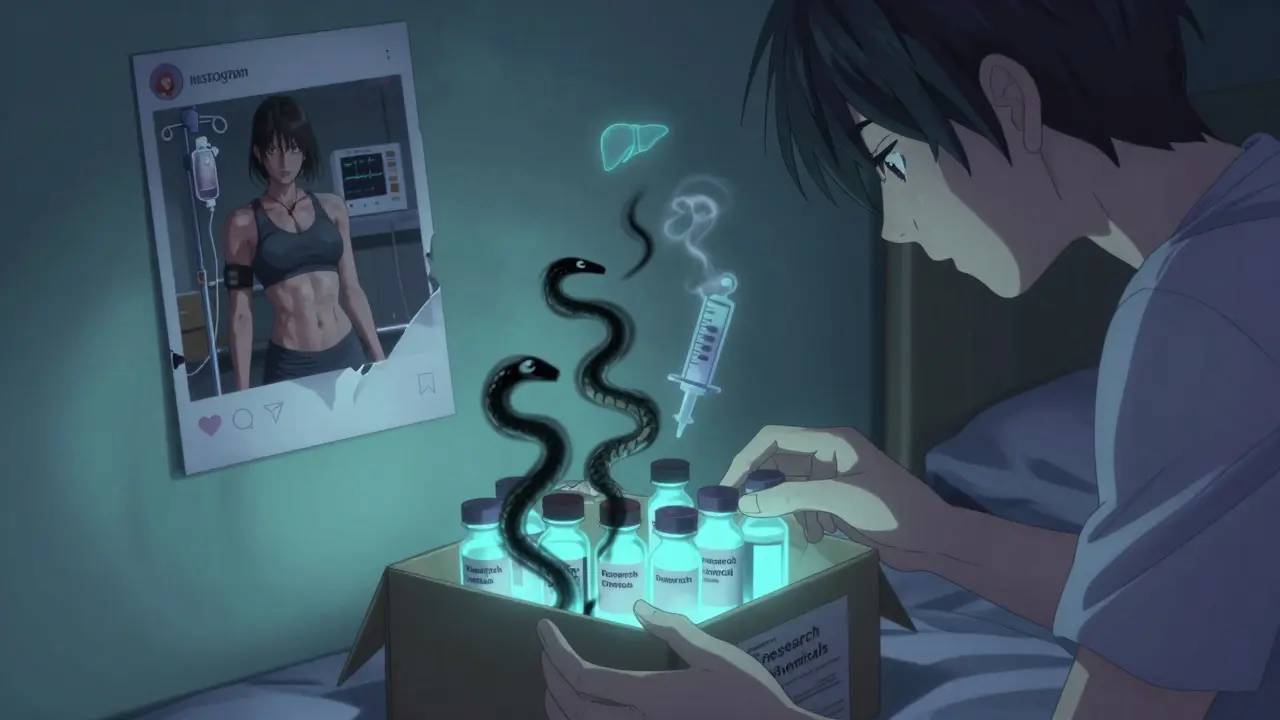
Mental Health Isn’t Safe Either
It’s not just physical. Mood swings are so common they’re almost expected. One survey of recreational users found 83% had severe mood swings requiring intervention. Depression hits hard during off-cycles. Sixty-seven percent reported clinically significant depression when the drugs wore off.Reddit threads are full of stories like: "I gained 25 pounds of muscle in 10 weeks. Lost it all in 8 weeks off. Then I couldn’t get out of bed for months." That’s not weakness. That’s neurochemistry breaking down.
And the worst part? Many users don’t tell their doctors. AAFP data shows 42% of recreational athletes use performance-affecting drugs-but only 12% ever mention it to their physician. Why? Shame. Fear. They think their doctor won’t understand. Or worse-they think their doctor won’t care.
Therapeutic Use Exemptions? Not What You Think
Some athletes think they can get away with it if they have a prescription. Not true. WADA allows Therapeutic Use Exemptions (TUEs), but only under strict conditions. You need documented medical proof-like testosterone levels below 250 ng/dL on two separate tests-that you have a real hormonal disorder.Doctors can’t approve TUEs for "anti-aging," "energy boosts," or "better recovery." Those aren’t medical conditions. They’re lifestyle choices. And if you’re caught using a banned substance without a TUE? Suspension. Loss of medals. Reputation destroyed.
Who’s Really Using These Drugs?
You might think it’s elite Olympians. It’s not. Only 15-20% of users are competitive athletes. The rest? Recreational gym-goers. People who post before-and-after photos on Instagram. Teens trying to look like influencers. Men in their 30s chasing a lost physique.University of Colorado research shows 60-80% of anabolic steroid misuse happens in non-competitive settings. That’s the new reality. Fitness culture has normalized this. People see someone with massive arms and assume they took something. They don’t ask how. They just want the same result.
And now, wellness clinics are getting involved. Sixty-five percent of anti-aging clinics offer "bio-identical hormone therapy"-which often includes banned substances. Patients think they’re getting health care. They’re getting banned drugs.
The Cost of a Quick Fix
Let’s say you gain 10 pounds of muscle in 8 weeks. Sounds great. But here’s what else you’re buying:- Higher risk of tendon rupture-your muscles grow faster than your tendons can adapt. Athletes have torn Achilles tendons lifting weights they could’ve handled perfectly without drugs.
- Permanent voice changes in women.
- Heart damage that won’t reverse.
- Infertility that may never recover.
- Depression that lasts longer than the cycle.
- Legal trouble if you’re tested.
Dr. Laura Barnes from the University of Colorado says it best: "PEDs create a false sense of security. You push harder because you feel stronger. Then you tear something-and you don’t even realize how much you were cheating your body to get there."
What Should You Do Instead?
There’s no magic pill that replaces years of smart training, proper sleep, and good nutrition. But there are real ways to improve:- Focus on progressive overload-not weight gain. Lift heavier over time, not faster.
- Recovery is part of training. Sleep 7-9 hours. Take rest days. Your body rebuilds when you rest.
- Protein intake matters. Aim for 1.6-2.2 grams per kg of body weight daily. That’s enough to support muscle growth without drugs.
- Hydration and electrolytes beat stimulants. Dehydration kills performance more than caffeine can fix.
- Work with a coach who understands physiology, not marketing.
Real progress is slow. It’s boring. It doesn’t show up in 10 days. But it lasts. Your heart stays healthy. Your hormones stay balanced. You don’t need a prescription to get stronger.
Final Reality Check
The American Heart Association says anabolic steroid use increases the risk of major cardiac events by 36%. That’s not a guess. That’s data from thousands of patients.You don’t need to be a pro athlete to risk your life. You just need to believe the lie that "everyone’s doing it" or "it’s just once." It’s not. And it’s not worth it.
There’s no trophy worth a damaged heart. No six-pack worth lifelong hormone therapy. No Instagram likes worth dying for.
Can I use testosterone replacement therapy if I’m an athlete?
Only if you have a documented medical condition like hypogonadism, confirmed by blood tests showing testosterone below 250 ng/dL on two separate occasions. Even then, you must apply for a Therapeutic Use Exemption (TUE) through WADA. Using testosterone for performance, energy, or anti-aging purposes is banned, regardless of prescription.
Are SARMs safer than steroids?
No. SARMs are marketed as safer, but they’re not approved for human use by any major health agency. The FDA found 89% of SARMs products contain undeclared, potentially toxic substances. They still suppress natural testosterone, damage the liver, and carry cardiovascular risks. There’s no long-term safety data. Calling them "safe" is misleading.
How long does it take to recover from steroid use?
Recovery varies. Testosterone levels may return to normal in 6-12 months for some. But many users-up to 38%-develop permanent hypogonadism requiring lifelong treatment. Heart and liver damage may improve slightly but often leave lasting changes. Tendon and connective tissue adaptations don’t reverse. Full recovery is rare.
Do doctors know when athletes are using PEDs?
Most don’t. AAFP reports that 7 out of 10 family physicians fail to recognize PED use during routine exams. Patients rarely admit it. Symptoms like acne, mood swings, or low testosterone are often dismissed as stress or aging. Without direct disclosure, detection is nearly impossible.
Is it illegal to buy performance-enhancing drugs?
In most countries, buying anabolic steroids, SARMs, or EPO without a prescription is illegal. Even if sold as "not for human consumption," these products violate drug regulations. Possession for personal use may not always lead to arrest, but distribution or importation can result in serious legal consequences.
What should I do if I’ve already used PEDs?
Stop using them immediately. See a doctor who specializes in sports medicine or endocrinology. Get blood work done-testosterone, liver enzymes, lipids, hematocrit. Don’t try to self-treat with post-cycle therapy supplements; they’re often ineffective. Recovery takes time, and medical supervision improves outcomes. You’re not alone-many people recover, but you need professional help.
Aditya Kumar
December 15, 2025 AT 10:05This post is way too long. I just wanted to know if SARMs are safe. Now I have to read a novel.
sue spark
December 15, 2025 AT 21:08I used to think taking creatine was pushing it. Now I realize I was being naive. This article made me reevaluate everything I thought I knew about fitness. I’m not touching anything synthetic anymore.
Randolph Rickman
December 17, 2025 AT 15:22Hey, I get it-you’re scared. I was too. I started lifting at 22, got caught up in the hype, tried some stuff, and ended up in the ER with a heart palpitation. That was five years ago. I’m 31 now, natural as hell, and stronger than I ever was on drugs. Your body doesn’t need chemicals to be amazing. It just needs time, patience, and sleep. You’ve got this. No magic pills, just real work. And that’s worth more than any Instagram muscle.
SHAMSHEER SHAIKH
December 18, 2025 AT 14:36Dear fellow athletes, let me say this with all sincerity: the path of natural strength is not the easy path-it is the noble path. Every drop of sweat, every early morning, every rest day taken with discipline-that is where true character is forged. The shortcuts may glitter, but they are laced with poison. Your bones, your heart, your mind-they remember everything. Choose wisely. Choose long-term health over fleeting glory. You are not alone on this journey. I walk beside you.
Colleen Bigelow
December 19, 2025 AT 05:06So let me get this straight-big pharma and the government are letting these drugs fly under the radar so they can control who’s ‘healthy’? They ban steroids but sell you caffeine pills that spike your heart like a rocket? And now they want you to trust their ‘TUE’ system? That’s a joke. My cousin got denied a TUE for low testosterone after a car accident, but his boss at the gym gets ‘hormone therapy’ like it’s a Starbucks drink. This isn’t medicine. It’s control. And they’re lying to you to keep you dependent.
Andrew Sychev
December 20, 2025 AT 12:42People don’t get it. You think you’re gaining muscle? You’re gaining a ticking time bomb. I saw a guy at my gym-28, looked like a Greek statue-dropped dead on the bench last year. No warning. No symptoms. Just… gone. His autopsy said his heart was the size of a football and looked like a brick wall. He thought he was invincible. He wasn’t. And now his kid has to grow up without a dad because he wanted abs faster.
Billy Poling
December 20, 2025 AT 17:24It is imperative to recognize that the physiological consequences of exogenous androgenic-anabolic compound administration extend far beyond the musculoskeletal system and encompass a multi-systemic disruption of endocrine, cardiovascular, hepatic, and neuropsychological homeostasis. The suppression of the hypothalamic-pituitary-gonadal axis, for instance, induces a state of secondary hypogonadism characterized by downregulation of luteinizing hormone and follicle-stimulating hormone secretion, which in turn leads to testicular atrophy and spermatogenic arrest. Furthermore, the increased hematocrit associated with erythropoietin use elevates whole-blood viscosity, thereby predisposing the individual to thromboembolic events, including stroke and myocardial infarction, particularly in the context of concurrent dehydration and intense physical exertion. The long-term fibrotic remodeling of cardiac myocytes, as documented in multiple longitudinal cohort studies, is irreversible and correlates directly with duration and dosage of exposure. Therefore, it is not merely a matter of risk-benefit analysis-it is a matter of irreversible biological consequence.
Tiffany Machelski
December 22, 2025 AT 11:43i just started lifting and read this and im so scared but also like… motivated? i think i’ll stick to protein and sleep. thanks for this