
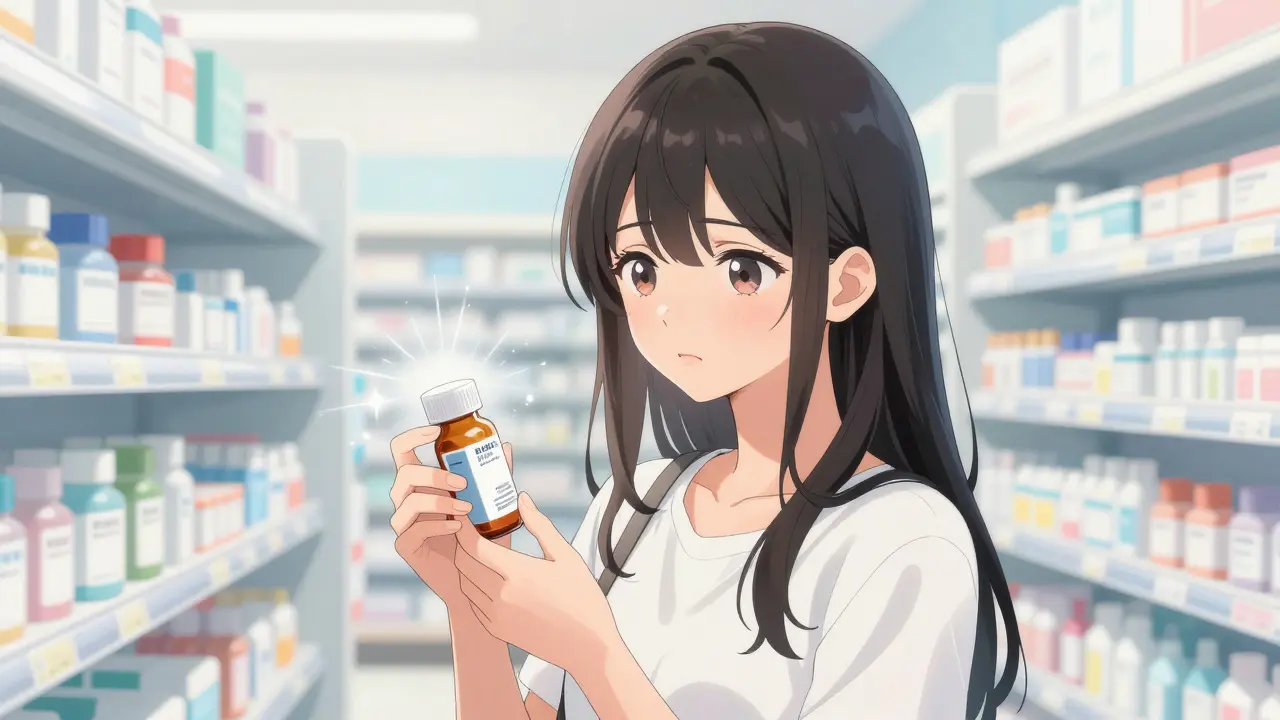
Starting a new prescription can feel like stepping into the dark without a flashlight. You get a small bottle or a blister pack from the pharmacy, maybe a quick nod from the pharmacist, and you’re on your own. But here is the reality check: medication safety is a systematic approach to preventing adverse drug events through proper medication management practices. It isn’t just hospital jargon; it is the difference between feeling better and ending up in the emergency room.
The stakes are higher than most people realize. According to CDC data from 2023, more than 1.3 million emergency department visits in the United States happen every year because of adverse drug events. About 350,000 of those visits require actual hospitalization. For a first-time patient, understanding the basics of how to handle, store, and take your medicine correctly is not optional-it is a survival skill.
Mastering the Six Rights of Medication Administration
You might think taking a pill is as simple as swallowing water with a tablet. It is not. Healthcare professionals rely on a framework called the 'Six Rights' to ensure safety. As a patient, you need to adopt this mindset yourself. The Children's Hospital of Philadelphia (CHOP) verified these protocols in 2023, and they apply to everyone, not just nurses.
- Right Patient: This sounds obvious, but it means confirming that the medication is prescribed for you, not a family member with a similar name. Use two unique identifiers if you are picking up meds for someone else, like their full name and date of birth.
- Right Medication: Always check the label against the original prescription slip. Does the name match? Does the strength (milligrams) match? If the doctor wrote 'Amoxicillin 500mg' and the bottle says '250mg', stop. Call the pharmacy.
- Right Indication: Do you know why you are taking this? If you cannot explain the purpose of the drug to a friend, ask your provider. Taking a blood pressure med when you have an infection won't help either condition.
- Right Dose: Never guess. If the prescription says 'one capsule,' do not take half unless instructed. Precision matters.
- Right Route: Some pills must be swallowed whole. Others can be crushed. Some are topical. Putting an oral pill under your tongue because it feels easier can change how your body absorbs it, sometimes dangerously so.
- Right Time: Timing affects efficacy. Some drugs work best with food to prevent nausea; others fail if taken with dairy. Circadian rhythms also play a role-some medications should be taken in the morning to avoid insomnia.
The Hidden Danger of Drug Interactions
One of the biggest risks for first-time patients is assuming that 'natural' means 'safe.' You might be taking a new antibiotic, but you also pop a vitamin C tablet, eat some grapefruit, and take ibuprofen for a headache. Each of these can interact.
The CDC’s 2023 guidelines stress that you must maintain an updated list containing 100% of what goes into your body. This includes prescription drugs, over-the-counter (OTC) medicines, vitamins, and herbal supplements. Why? Because a 2022 study in the Journal of the American Pharmacists Association found that patients who keep complete medication lists experience 27% fewer medication errors.
Consider this scenario: You start a statin for cholesterol. You love grapefruit juice. Grapefruit contains compounds that block the enzyme your liver uses to break down certain statins. The result? Your blood levels of the drug spike, increasing the risk of severe muscle damage. This is a classic interaction that many first-time patients miss because they don't tell their doctor about their breakfast habits.
| Medication Type | Common Interactor | Potential Consequence |
|---|---|---|
| Blood Thinners (e.g., Warfarin) | Vitamin K-rich foods (spinach, kale) | Reduced effectiveness, increased clotting risk |
| Statins | Grapefruit/Grapefruit Juice | Toxic buildup, muscle pain/damage |
| Antibiotics (Tetracyclines) | Dairy products (Calcium) | Drug absorption blocked, treatment failure |
| Sedatives/Antihistamines | Alcohol | Extreme drowsiness, respiratory depression |

Storage and Expiration: More Than Just a Date
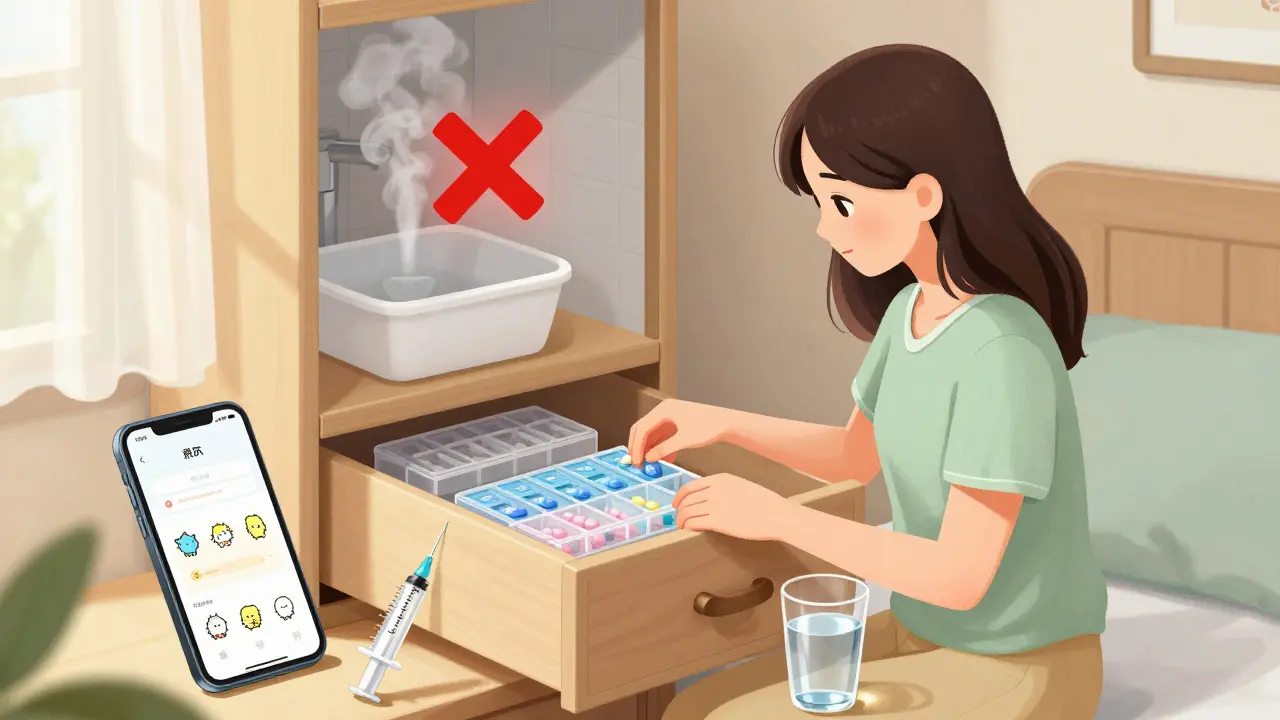
We often throw everything into the bathroom cabinet, but that is usually the worst place for your medicine. Bathrooms are humid and warm. Heat and moisture degrade chemicals. Most oral medications require storage below 86°F (30°C) in dry conditions, according to FDA labeling requirements.
If you are using insulin, the rules are stricter. It requires refrigeration between 36-46°F (2-8°C) until first use. Once opened, it may stay at room temperature for a specific period, but checking the package insert is non-negotiable. Ignoring storage guidelines can turn a life-saving drug into an inert sugar pill.
Then there is expiration. Merck’s 2023 patient safety report indicates that 18% of medication errors occur from using expired medications. Antibiotics and liquid formulations degrade faster than solid pills. An expired antibiotic might not kill the bacteria causing your infection, leading to resistance or prolonged illness. Check the dates. Throw out the old stuff. Do not hoard medicine 'just in case.'
Communication: Your Best Defense Against Errors
Jay Belcher, a registered pharmacist at Express Scripts Pharmacy, stated in 2023: 'In order to gain the most benefit from a medication, you need to take it exactly as prescribed.' Yet, non-adherence accounts for 50% of treatment failures for chronic conditions, per World Health Organization data. Why? Often, because patients are too shy to ask questions.
A 2022 study published in Patient Education and Counseling found that patients who actively asked pharmacists three or more questions about new medications experienced 34% fewer adverse events in the first month. Here is what you should ask:
- 'What should I do if I miss a dose?' Only 22% of patients ask this, according to ISMP data. Doubling up to 'catch up' can cause toxicity. Skipping it entirely might reduce efficacy. Know the rule before you forget.
- 'How should I store this medication?' Critical for 40% of medications with specific storage needs.
- 'What side effects should I watch for?' While common side effects like mild nausea might pass, knowing which symptoms require immediate medical attention (like rash, swelling, or trouble breathing) can save your life. Discuss this in only 65% of pharmacy consultations, per AHRQ data.
Never share medications. Dr. Karen Mahoney, Deputy Director of the FDA's Division of Medication Errors, warned in 2023 that sharing meds accounts for 8% of emergency department visits for adverse drug events. What works for your sister’s migraine could trigger an allergic reaction in you. Medicine is personal.
Technology and Tools for Safer Management
Human memory is fallible. Technology helps. The average learning curve for establishing proper medication safety practices is 2-3 weeks, according to a 2023 University of Michigan study. During this transition, tools can bridge the gap.
Medication reminder apps like Medisafe and MyMeds improved adherence rates by 28% among first-time users, per a 2022 study in the Journal of Medical Internet Research. Look for apps with barcode scanning features, which have an 87% accuracy rate in identifying drugs. This prevents you from typing in the wrong name and getting the wrong schedule.
Also, ditch the household spoons. The CDC specifies using only dosing devices provided with medications. Household teaspoons vary by 25-50% in volume. If your prescription calls for 5ml of cough syrup, a random spoon from your drawer might give you 3ml or 7ml. That is a significant error margin. Buy a cheap oral syringe or measuring cup from the pharmacy.
Navigating Transitions of Care
One of the most dangerous times for medication safety is during transitions of care, such as leaving the hospital. The Patient Safety Network reported in 2023 that 22% of medication errors occur during these handoffs. You might leave the hospital with a new discharge instruction sheet that contradicts what you were doing at home.
Always bring your current medication bottles or a written list to every healthcare appointment. The CDC recommends this practice universally. When you are discharged, reconcile your meds. Ask: 'Did this new med replace my old one? Do I still take my daily aspirin?' The Institute for Healthcare Improvement found that hospitals implementing comprehensive medication reconciliation programs reduced adverse drug events by 47% over 24 months. You are part of that system. Be proactive.
Why is it dangerous to take medication with household spoons?
Household spoons are not standardized measuring tools. Their volume can vary by 25-50%, meaning you might receive significantly less or more than the prescribed dose. This inconsistency can lead to treatment failure or overdose. Always use the dosing device provided by the pharmacy or buy a calibrated oral syringe.
What should I include in my personal medication list?
Your list should contain 100% of substances you ingest: prescription medications, over-the-counter drugs (like ibuprofen or antacids), vitamins, minerals, and herbal supplements. Include the name, dose, frequency, and the reason you take each one. Bring this list to every doctor and dentist appointment to prevent dangerous interactions.
Is it safe to store all my medicines in the bathroom cabinet?
No. Bathrooms are typically hot and humid due to showers and baths. Most oral medications degrade in heat and moisture. Store them in a cool, dry place away from direct sunlight, such as a bedroom drawer or closet, unless the label specifies refrigeration (like insulin).
What are the 'Six Rights' of medication administration?
The Six Rights are: Right Patient, Right Medication, Right Indication, Right Dose, Right Route, and Right Time. These principles ensure that you are taking the correct drug, in the correct amount, via the correct method, at the correct time, for the correct reason.
Can I share my prescription medication with a family member who has similar symptoms?
Absolutely not. Sharing medications is illegal and dangerous. It accounts for 8% of emergency department visits for adverse drug events. Different people have different allergies, health conditions, and interactions. A medication safe for one person can be toxic to another.
How can technology help me manage my medications safely?
Medication reminder apps can improve adherence by 28%. Features like barcode scanning help identify drugs accurately, while alerts remind you to take doses. Some apps also provide educational content about side effects and interactions, helping you stay informed and compliant.
What should I do if I miss a dose of my medication?
Do not double up to catch up unless specifically instructed by your provider. Generally, if it is close to the next dose, skip the missed one. However, rules vary by drug. Always ask your pharmacist or doctor 'What should I do if I miss a dose?' when you first get the prescription.