
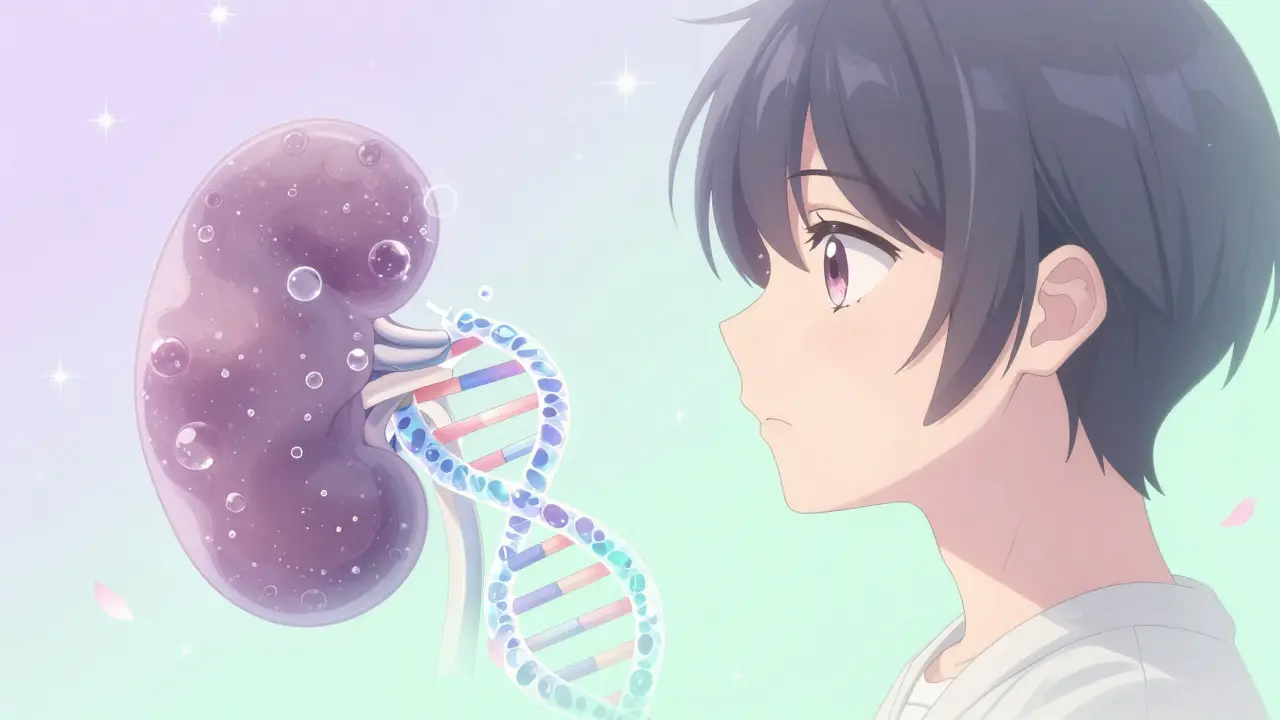
Imagine your kidneys, which are usually about the size of a computer mouse, growing so large they weigh 30 pounds each. That is the reality for many people living with Polycystic Kidney Disease is a genetic disorder where numerous fluid-filled cysts grow in the kidneys, gradually replacing healthy tissue and impairing the organ's ability to filter waste from the blood. It isn't just one condition; it's a complex genetic puzzle that affects hundreds of thousands of people, often stealing kidney function silently for decades before the first symptom even appears.
Quick Summary: What You Need to Know
- Two Main Types: ADPKD (dominant/common) and ARPKD (recessive/rare).
- Core Problem: Genetic mutations cause cysts to grow, leading to kidney enlargement and eventual failure.
- Key Management: Strict blood pressure control is the best way to slow the disease.
- Treatment: While there is no cure, medications like Tolvaptan can slow progression for some.
- Outcome: Many patients eventually require dialysis or a kidney transplant.
The Genetic Blueprint: Why PKD Happens
PKD isn't something you "catch"; it's written into your DNA. The way it's inherited tells us a lot about how it will behave. The most common version is Autosomal Dominant Polycystic Kidney Disease (ADPKD). In this case, you only need one mutated copy of a gene from one parent to develop the disease. Most of the time (about 78%), the PKD1 gene is the culprit, which usually leads to a faster decline in kidney function. About 15% of cases involve the PKD2 gene, which typically progresses more slowly.
Then there is the rarer version, Autosomal Recessive Polycystic Kidney Disease (ARPKD). This is much tougher to inherit because you need mutated genes from both parents. This type is often caught much earlier, sometimes even before a baby is born, because it affects the kidneys and lungs more aggressively in early childhood.
| Feature | ADPKD (Dominant) | ARPKD (Recessive) |
|---|---|---|
| Commonality | Very Common (98% of cases) | Rare |
| Primary Genes | PKD1 or PKD2 | PKHD1 |
| Typical Onset | Ages 30-40 | Birth or early childhood |
| Inheritance | One parent affected | Both parents carriers |
Spotting the Signs: Symptoms and Complications
Because cysts grow slowly, you might feel fine for years. But as the kidneys swell, they start to press against other organs. The most common sign is high blood pressure, known as Hypertension, which occurs in nearly 90% of ADPKD patients. It's a vicious cycle: the cysts cause high blood pressure, and high blood pressure further damages the kidneys.
Many patients also deal with chronic pain. It isn't just a dull ache; it's often a result of cysts rupturing or kidney stones forming. In some cases, cysts can also develop in the liver-a condition called polycystic liver disease-though this rarely leads to liver failure. The most frightening stage is when the kidneys stop working entirely, leading to End-Stage Renal Disease (ESRD). At this point, the body can no longer clear toxins, and medical intervention becomes a necessity for survival.
How to Manage and Slow the Decline
Since we can't "pop" the cysts or remove them, the goal is to protect the remaining healthy kidney tissue. The most powerful tool we have is blood pressure control. Research from the HALT-PKD study showed that keeping blood pressure very low (below 110/75 mmHg) can actually slow down the growth of the total kidney volume. Doctors usually start with ACE inhibitors or ARBs, which protect the kidneys while lowering pressure.
For those with rapidly progressing disease, there is a specific drug called Tolvaptan (brand name Jynarque). It targets the vasopressin receptors in the kidney to slow down cyst growth. While it's expensive and requires monitoring for liver toxicity, it has been shown to slow the decline of the glomerular filtration rate (eGFR), giving patients more time before they need dialysis.
Daily Management Checklist
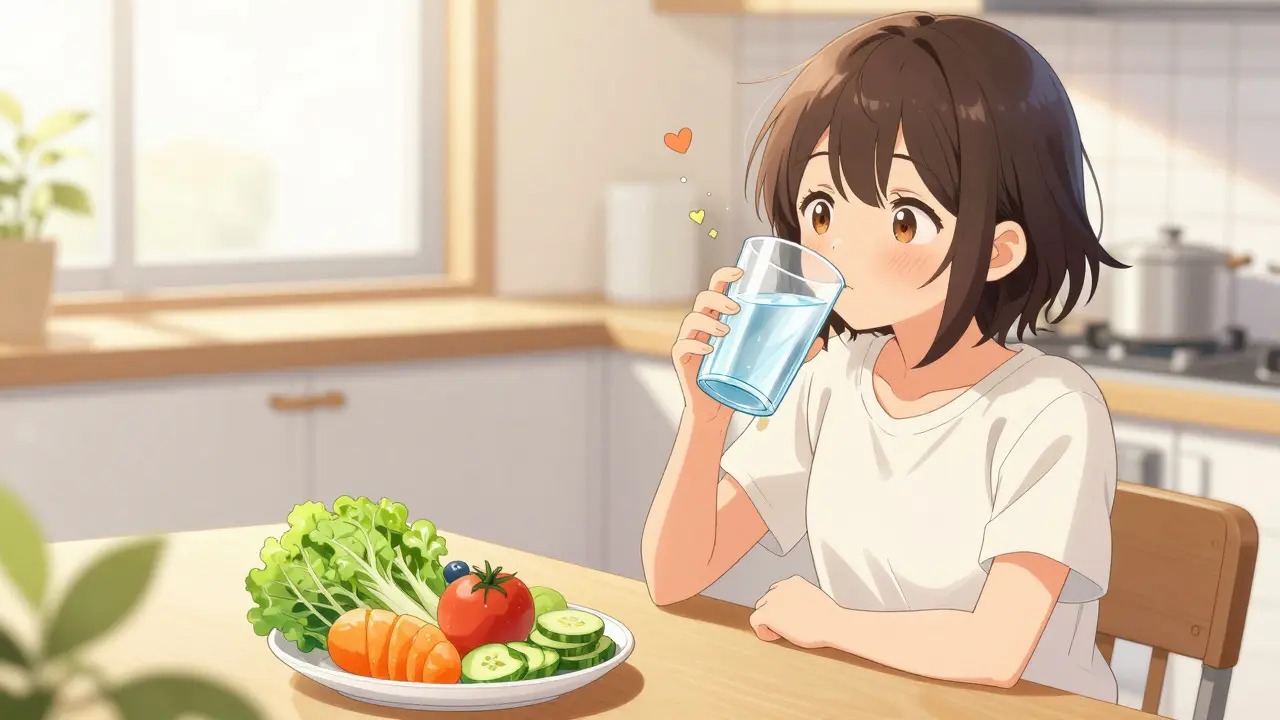
- Water Intake: Drink plenty of water to suppress vasopressin, a hormone that can drive cyst growth.
- Salt Reduction: Limit sodium to keep blood pressure stable and reduce swelling.
- Annual Screening: Get your eGFR and blood pressure checked at least once a year.
- Avoid NSAIDs: Be careful with painkillers like ibuprofen, as they can be hard on damaged kidneys.
When Lifestyle Changes Aren't Enough: Dialysis and Transplant
For about 50% of people with ADPKD, kidney failure happens by age 60. When your renal health reaches a critical point, you have two main options. The first is Dialysis, where a machine filters your blood. It's life-saving but exhausting, often requiring multiple sessions a week.
The second, and often preferred, option is a Kidney Transplant. A healthy kidney from a donor can restore most of your normal function. However, the wait times can be long-often 3 to 5 years-depending on your blood type and where you live. Early planning and staying healthy during the wait are key to a successful transplant outcome.
The Future: New Research and Hope
We are moving away from just treating symptoms and toward targeting the molecular causes of the disease. New drugs like lixivaptan are in the final stages of testing, and others like bardoxolone methyl are showing potential in improving eGFR in clinical trials. Genetic testing is also becoming much cheaper and more accessible, allowing families to plan for the future and start blood pressure management decades before symptoms appear.
Can PKD be cured?
Currently, there is no cure for Polycystic Kidney Disease because it is a genetic condition. However, management strategies and medications like Tolvaptan can significantly slow the progression of the disease and delay the need for dialysis.
How do I know if I have PKD if I have no symptoms?
If you have a family history of PKD, you can get an ultrasound, CT scan, or MRI. For adults aged 30-39 with a family history, doctors typically look for at least 10 cysts to confirm a diagnosis of ADPKD.
Does having PKD mean I will definitely need a transplant?
Not necessarily. While many patients eventually reach kidney failure, the rate of progression varies wildly. Some people maintain kidney function well into their 70s, especially if they manage their blood pressure aggressively from a young age.
What is the difference between PKD1 and PKD2?
Both are mutations that cause ADPKD, but PKD1 is more common and usually more severe, often leading to kidney failure earlier in life. PKD2 mutations typically result in a slower decline in kidney function and a later onset of symptoms.
Can diet help slow down PKD?
While diet alone cannot stop cyst growth, a low-sodium diet is critical for controlling hypertension. Increasing water intake is also recommended by many specialists to help suppress the hormones that encourage cyst enlargement.
Next Steps for Patients and Families
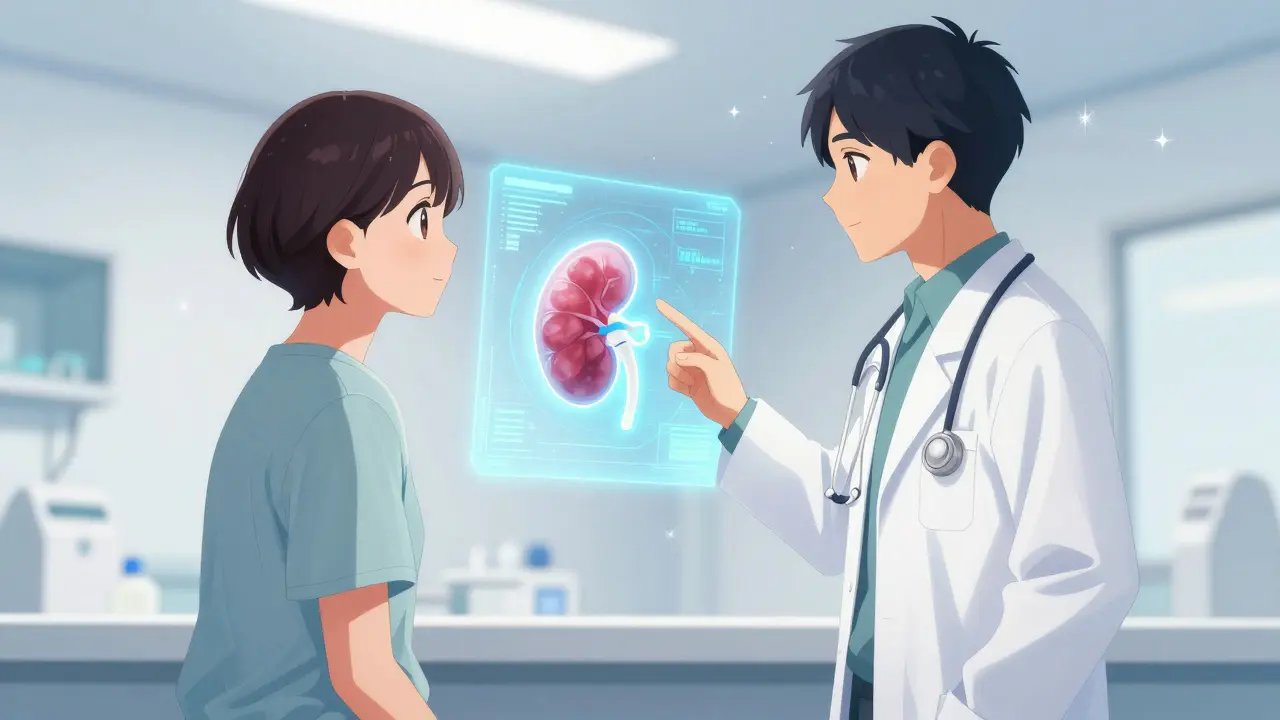
If you've just been diagnosed or have a family history, the first step is to find a nephrologist who specializes in PKD. Don't wait for symptoms to appear. Starting blood pressure medication early can be the difference between kidney failure at 45 or 65. For those planning a family, genetic counseling is highly recommended to understand the risk of passing the mutation to children and to explore options for early screening.
Mark Koepsell
May 2, 2026 AT 01:03Drinking water is key for suppressing vasopressin, but it's also important to monitor electrolyte levels, especially if you're on specific blood pressure medications that can affect potassium.
Joel Bonstell
May 3, 2026 AT 13:52Man, the pain from those cysts is no joke... realy hurts when they rupture. Just remember to be gentle with yourself and keep track of those blood pressure numbers, it makes a huge diffrence in the long run.
Andrew Hanssen
May 4, 2026 AT 07:57The focus on Tolvaptan is far too optimistic. The side effects and the liver monitoring requirements often outweigh the marginal benefits for the average patient, making it a questionable choice for many.
Jimmy Crocker
May 5, 2026 AT 04:07It is truly fascinatting how the layperson attempts to simplify the complex genetic interplay of the PKD1 mutation, though one must acknowledge that the systemic implications go far beyond simple kidney enlargement, extendding into the very fabric of cardiovascular instability that most of you probably ignore in your simplistic daily routines... it's just basic biology really, if you've actually read the peer-reviewed literatur.
Alexa Mack
May 5, 2026 AT 14:11Wow, I never knew the kidneys could actually grow that large. It's wild how much our bodies can change.
Prudence Wesson
May 7, 2026 AT 03:46Utterly typical that people ignore the holistic aspect of renal failure!!! Your diet is likely a mess and no amount of Tolvaptan will save a body that is essentially a temple of poor choices!!!!
Divya Patel
May 8, 2026 AT 08:54The burden of a genetic legacy is a heavy weight to carry... it forces us to confront our mortality much earlier than we ever expected... a reminder of the fragile thread we all hang by...
SWATI NAWANGE
May 8, 2026 AT 09:26I find it quite amusing that the distinction between PKD1 and PKD2 is presented so bluntly. In reality, the phenotypic expression is far more nuanced than a simple table can convey, and anyone who thinks otherwise is simply underestimating the complexity of genetic variance in a way that is frankly embarrassing.
nikki paurillo
May 10, 2026 AT 04:51This whole situation feels like a slow-motion collision with destiny. The way the cysts just bloom inside you, stealing the light from your health, is a hauntingly vivid image of biological betrayal. It's a psychedelic nightmare wrapped in a medical chart, where your own DNA is the architect of your undoing, turning your internal organs into a landscape of fluid-filled bubbles that drift toward a silent, inevitable crash. The sheer audacity of nature to create something so meticulously destructive is almost poetic in its cruelty. We are all just temporary vessels for these mutations, waiting to see which gear breaks first in the clockwork of our ancestors. It makes you wonder if the pain is just a signal for something deeper, a call to reorganize our entire relationship with our physical forms before they fail us completely. The transition to dialysis is not just a medical shift, it's a spiritual migration to a life lived by the rhythm of a machine. We become cyborgs not by choice, but by the necessity of survival in a body that has forgotten how to clean itself. It's a wild, terrifying ride through the corridors of genetic fate, and all we have are these little pills to slow down the inevitable tide of the ocean.
Ken Baldridge
May 10, 2026 AT 07:19Keep your head up, everyone. Managing the eGFR decline is all about the long game. We're talking about optimizing the hemodynamic profile to mitigate the impact of the cystic load. You've got this, just stay consistent with your regimen and lean on your support system.
Bradley Gusick
May 11, 2026 AT 14:55Sure, 'follow the doctors' and 'take the pills' they're selling you. Notice how they never mention the environmental toxins they're pumping into our water that probably trigger these 'genetic' mutations in the first place. It's all a game to keep us dependent on the pharma machine while they control the narrative!