
Dealing with unexpected hair growth on your chin, chest, or back is one of the most frustrating parts of living with Polycystic Ovary Syndrome is a hormonal disorder common among women of reproductive age, characterized by irregular periods, excess androgen levels, and polycystic ovaries. For many, this manifests as hirsutism-the growth of coarse, dark terminal hairs in areas where men typically grow hair. While plucking and shaving provide a temporary fix, they don't touch the root cause: a hormonal imbalance that tells your follicles to overproduce. If you've tried the basics and the hair keeps coming back, you might be wondering if medication can actually stop it. The short answer is yes, but it takes a lot of patience and a very specific medical strategy to see real results.
The Reality of Hair Growth in PCOS
Hirsutism isn't just a cosmetic nuisance; it's a signal that your body is producing too many androgens. Roughly 70-80% of women with PCOS experience this. When these male-pattern hormones flood the system, they transform fine, light "vellus" hairs into thick, dark "terminal" hairs. This process is often measured by doctors using the modified Ferriman-Gallwey (mFG) score, which assigns points based on the density and location of hair growth. The goal of medical treatment isn't necessarily to remove every single hair-which is nearly impossible with medication alone-but to reduce the coarseness and slow down the growth rate so that maintenance becomes manageable.
What are Antiandrogens?
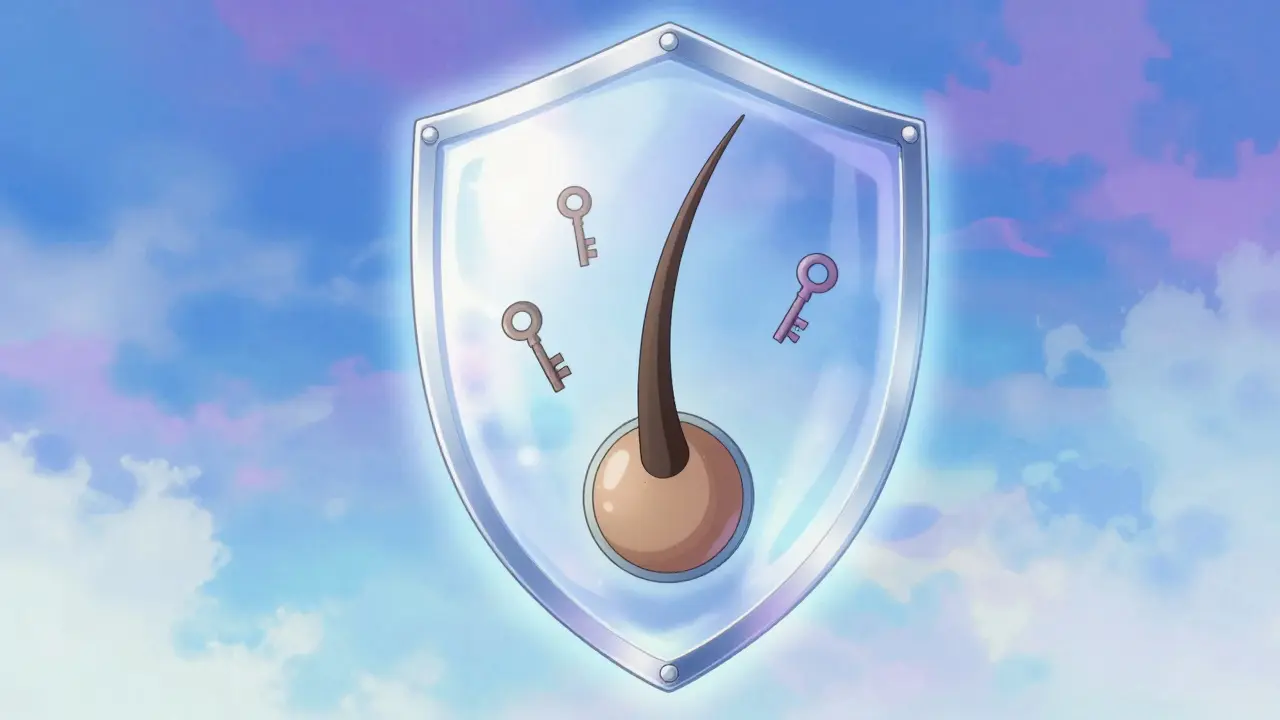
Antiandrogens are pharmacological agents designed to block the effects of androgens by inhibiting their production or preventing them from binding to receptors in the skin. Think of them as a shield for your hair follicles. Normally, androgens act like a key that unlocks the "growth" switch in your follicle. Antiandrogens either change the lock or jam the key so the switch stays off. These medications are generally considered second-line treatments. According to the 2023 International Evidence-based Guideline for PCOS, the first step is usually combined oral contraceptive pills (COCPs) because they address both ovulation and androgen levels. However, if you can't take the pill or if it doesn't work after six months, antiandrogens are the next logical step.
Common Medications for Hair Reduction
Not all antiandrogens work the same way. Depending on your health history and how your body responds, a doctor might suggest different options. Spironolactone is a potassium-sparing diuretic that also acts as a competitive inhibitor of the androgen receptor. It's one of the most common choices, often dosed between 50mg and 200mg daily. While effective, it can cause dizziness or menstrual irregularities in some users.
Finasteride is a medication that specifically inhibits the enzyme 5-alpha-reductase, preventing the conversion of testosterone into the more potent dihydrotestosterone (DHT). DHT is the primary culprit behind the coarsening of hair. Finasteride is often a great alternative for those who can't tolerate the side effects of spironolactone, though it can be more expensive if not covered by insurance.
For those who prefer a non-systemic approach, there is Eflornithine, a topical cream that inhibits the enzyme ornithine decarboxylase within the hair follicle to slow down the speed of hair growth. It doesn't stop the hair from growing entirely, but it makes the growth much slower and finer, which is why it's often paired with other treatments.
| Medication | Primary Action | Typical Dose | Key Consideration |
|---|---|---|---|
| Spironolactone | Blocks androgen receptors | 50-200 mg/day | Can increase potassium levels |
| Finasteride | Blocks DHT production | 2.5-5 mg/day | High teratogenicity risk |
| Eflornithine | Slows follicle growth | Topical cream | Non-systemic/Local only |
The Critical Timing and Safety Rules
One of the biggest mistakes people make with these medications is expecting a "magic wand" effect. You will not wake up with smooth skin after two weeks. In fact, because hair follicles operate on a slow cycle, it typically takes 6 to 12 months of consistent use to see a visible difference. Maximum benefits often don't appear until the 18-to-24-month mark. If you stop the medication too early, the androgens will simply regain control, and the coarse hair will return.
Safety is the most important part of this journey. Almost all oral antiandrogens are teratogenic, meaning they can cause severe birth defects if you become pregnant. Because of this, doctors mandate the use of effective contraception. For example, those on spironolactone are often advised to use two forms of birth control to ensure there is zero risk. Additionally, because spironolactone is a diuretic, your doctor will likely monitor your kidney function and potassium levels to avoid hyperkalemia, a condition where potassium builds up to dangerous levels in the blood.
Combining Treatments for Better Results
For many, a single pill isn't enough. The most effective approach is often a "stack" of treatments. Combining an antiandrogen with a COCP can provide a double-hit: the pill lowers the production of androgens in the ovaries, while the antiandrogen blocks whatever is left from reaching the skin. While some research suggests this combination can affect lipid profiles, the improvement in skin and hair often outweighs the trade-off for those with severe symptoms.
Mechanical removal is also part of the puzzle. Laser hair removal or electrolysis is fantastic for removing existing hair, but in PCOS patients, the hormones can trigger new hairs to grow in areas that were previously clear. This is why using eflornithine or spironolactone alongside laser treatments is so effective. Using the cream with laser has been shown to increase hair reduction by about 35% compared to using the laser alone. It's about treating the internal chemistry while managing the external growth.

Navigating the Side Effects
It's no secret that these drugs come with a learning curve. Many users report "brain fog," dizziness, or a change in their menstrual cycle when starting spironolactone. To fight this, doctors often use a "slow and low" titration method. Instead of jumping straight to 100mg, you might start at 25mg for a few weeks and slowly increase the dose. This gives your body time to adjust and helps minimize the dizziness that often leads people to quit the medication prematurely.
If you find that systemic medications are too harsh, remember that lifestyle changes play a supporting role. While diet alone won't stop hirsutism, reducing insulin resistance through a low-glycemic diet and regular exercise can lower the overall androgen load on your system, making the medications work more efficiently.
How long does it take for spironolactone to work for hair growth?
You generally need to use the medication consistently for 6 to 12 months before you notice a visible reduction in hair density and coarseness. Maximum results are typically seen after 18 to 24 months of treatment.
Can I take antiandrogens without birth control?
This is strongly discouraged. Antiandrogens like spironolactone and finasteride carry significant risks of birth defects (teratogenicity). Effective contraception is required to ensure safety during treatment.
Will the hair grow back if I stop taking the medication?
Yes. Antiandrogens manage the symptoms by blocking hormones; they do not cure the underlying PCOS. If you stop the medication, the androgen receptors will once again be open to influence, and the coarse hair growth will likely return.
Is eflornithine cream better than oral medication?
It depends on your goals. Eflornithine is a local treatment that slows growth without systemic side effects, but it doesn't lower your overall androgen levels. Oral medications are more powerful but carry more risks. Many people use both for a combined effect.
What is the mFG score and why does it matter?
The modified Ferriman-Gallwey (mFG) score is a tool doctors use to quantify the amount of excess hair growth. By assigning a numeric value to different areas of the body, doctors can objectively track whether a medication is actually working over time.
Next Steps for Treatment
If you're struggling with hirsutism, start by documenting your symptoms. Keep a log of where the hair is most problematic and how often you feel the need to remove it. When you meet with your endocrinologist or gynecologist, ask specifically about your androgen levels and whether a second-line therapy like an antiandrogen is appropriate for your specific health profile.
If you start a medication and feel dizzy or fatigued, don't give up immediately. Reach out to your provider to discuss a slower titration schedule. Remember that the goal is a long-term management plan, not an overnight fix. Combining medical therapy with a professional laser or electrolysis plan is usually the gold standard for achieving the smoothest possible skin.
Jaclyn Vo
April 26, 2026 AT 07:54Omg finally someone mentions the struggle with the wait time!! 🙄 I was on spironolactone for like 5 months and almost lost my mind because I didn't see a single change. Like, are you kidding me? I had to literally tell myself to breathe and not throw the pills across the room. The frustration is actually unreal when you're dealing with chin hairs every single morning 😭
Michael Chukwuma
April 27, 2026 AT 04:12It really does take a lot of patience.
Sharyl Foster
April 27, 2026 AT 05:24Actually, the 'gold standard' of combining laser and meds is totally overrated. I've seen people spend thousands on laser only for the PCOS to just spawn new hairs in random places because they weren't managing the insulin side of things first. You can't just throw chemicals at the problem and expect it to vanish without fixing the metabolic dysfunction. It's basic biology, people.
Anand Mehra
April 27, 2026 AT 18:35hormonal chaos is just a metaphor for the human condition really
blocking receptors is a temporary fix for a systemic failure
James Harrison
April 28, 2026 AT 05:23I think it's important to remember that everyone's journey with their body is different and we should respect where each person is in their process. It's a lot to handle mentally and physically, so just be kind to yourself while navigating these options.
Elle Torres Sanz
April 29, 2026 AT 19:47I completely agree with that sentiment. It's so helpful to have these guides because it makes the medical jargon feel more accessible to everyone, regardless of their background or where they are starting from in their health journey. We're all just trying to find what works for our unique bodies.
Karyn Tindall
April 30, 2026 AT 11:41The teratogenicity warning is absolutely terrifying! Like, the idea that a simple medication for hair could cause such catastrophic birth defects is just haunting. I cannot even imagine the anxiety of having to use two forms of birth control just to feel safe while treating a hormonal imbalance! It's just too much to bear!
Michael Deane
May 2, 2026 AT 04:32This whole thing just shows why we need to get back to the basics of health and strength in this country because we've become way too reliant on these fancy synthetic pills that come from overseas or get pushed by big pharma companies that don't care about the American worker or the American family and instead they just want us hooked on a monthly subscription for a drug that might make us dizzy or fog our brains while we're trying to actually get things done and build a future for our kids in a world that's falling apart around us!