

Dealing with bipolar disorder often requires a delicate balance of medication. For many, Lithium is a primary mood stabilizer used to treat manic episodes and prevent relapse . While it is incredibly effective, lithium has what doctors call a "narrow therapeutic index." In plain English, the difference between a dose that helps you and a dose that poisons you is very small. Most people need their blood levels to stay between 0.6 and 1.2 mmol/L. If you drift outside this window, you aren't just dealing with side effects-you're risking severe toxicity.
The real danger isn't always the lithium itself, but how it plays with other things you put in your body. Because your kidneys do 95% of the work to get lithium out of your system, anything that messes with your renal function can cause lithium to pile up in your blood. This is where common over-the-counter painkillers, blood pressure meds, and even a hot day of hiking come into play.
The Hidden Danger of Common Painkillers
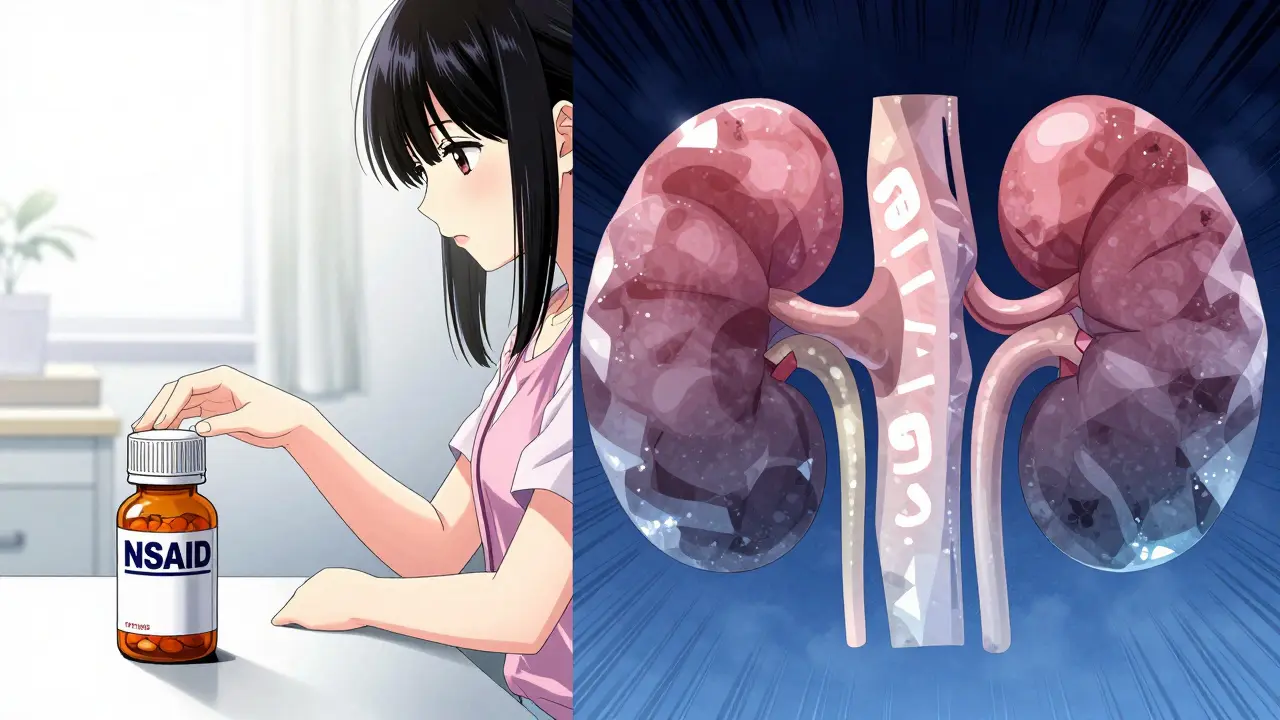
If you have a headache or joint pain, you might reach for an NSAID is a class of non-steroidal anti-inflammatory drugs used to reduce pain and inflammation . Common names include ibuprofen and naproxen. While these are staples in most medicine cabinets, they can be dangerous for someone on lithium.
NSAIDs work by inhibiting prostaglandins, which are chemicals that help regulate blood flow to the kidneys. When you block these, your kidneys can't filter blood as efficiently. For a healthy person, this is a minor dip. For someone on lithium, it means the drug stays in the bloodstream longer. Depending on the specific drug, your lithium clearance can drop by 25% to 50%. For example, indomethacin is particularly aggressive, often spiking levels by 30% to 60%, while ibuprofen usually causes a 25% to 40% increase.
This isn't a slow creep; the interaction usually happens within the first week of taking the painkiller. If you're over 65 or already have kidney issues, the risk of toxicity is over three times higher. In some tragic cases, adding a common NSAID to a regimen that already includes blood pressure meds (like ACE inhibitors) has led to fatal toxicity.
Diuretics: Not All Water Pills Are Equal
Diuretics, often called "water pills," are used to treat high blood pressure or swelling. However, they change how your body handles sodium, and since the kidneys treat lithium very similarly to sodium, this creates a major conflict. If your body thinks it's low on sodium, it will actually hold onto lithium instead of flushing it out.
| Diuretic Type | Effect on Lithium | Risk Level | Typical Impact |
|---|---|---|---|
| Thiazides (e.g., Hydrochlorothiazide) | Increases levels | High | 25-50% increase within 10 days |
| Loop Diuretics (e.g., Furosemide) | Increases levels | Moderate | 10-25% increase |
| Potassium-Sparing (e.g., Spironolactone) | Variable | Low/Uncertain | Limited clinical evidence |
| Osmotic/Carbonic Anhydrase Inhibitors | Decreases levels | Low (Risk of under-dose) | 15-30% decrease |
Thiazides are the most problematic. They can cause a rapid spike in serum lithium concentrations within just 7 to 10 days. While loop diuretics like furosemide also pose a risk, they generally don't cause as dramatic a jump as thiazides do. Interestingly, some "natural" herbal diuretics found in weight-loss tea can be just as dangerous because they trigger dehydration, which further concentrates the lithium in your blood.
The Dehydration Trap and Sodium Balance
You don't always need a second drug to trigger a crisis. Your lifestyle and environment play a massive role. Since lithium is handled like salt by your kidneys, any situation where you lose salt and water will make your lithium levels climb.
Consider a few common scenarios: a bout of stomach flu (gastroenteritis), a long flight in a dry cabin, or an intense workout in the summer heat. Even mild dehydration-losing just 2% to 3% of your body weight in water-can bump your lithium concentration by 15% to 25%. This is why people traveling to tropical climates need to be extra cautious; the combination of heat, sweating, and potential illness is a perfect storm for toxicity.
Then there's the salt factor. If you suddenly decide to go on a very low-sodium diet, your body will try to compensate by retaining more sodium-and along with it, more lithium. Conversely, eating a lot of extra salt can actually lower your lithium levels, potentially making your medication less effective. The goal is consistency. Sudden changes in salt intake (even by 20-30 mmol/day) can swing your lithium levels by 10% to 20%.

Spotting the Warning Signs of Toxicity
Because toxicity can happen quickly after starting a new medication or getting sick, you need to know the red flags. It doesn't start with a seizure; it starts with vague symptoms that are easy to ignore.
- Early Warning Signs: Diarrhea is the most common early sign (seen in about 68% of cases), followed by feeling lightheaded and unusual drowsiness.
- Moderate Toxicity: You might notice blurred vision or a ringing in the ears (tinnitus).
- Severe Toxicity: This is a medical emergency. It can lead to tremors, seizures, coma, and permanent kidney damage.
If you're taking lithium and start feeling unusually clumsy or confused after taking an ibuprofen for a headache, don't wait for it to "pass." These are classic signs that your levels have spiked.
Managing Your Risk: Practical Steps
You don't have to live in fear, but you do have to be proactive. If you're on lithium, the best rule of thumb is to avoid NSAIDs and thiazide diuretics whenever possible. If you absolutely need a painkiller, ask your doctor about acetaminophen, which doesn't affect kidney filtration the way NSAIDs do.
If your doctor decides you must take an interacting drug, you need a strict monitoring plan. This typically means checking your blood lithium levels weekly for the first month after starting the new medication. Don't rely on "sporadic" checks; a single missed test during a medication change can be the difference between stability and a hospital visit.
Keep a mental checklist for high-risk days:
- Sickness: If you have a fever or diarrhea, increase your fluid intake and call your doctor.
- Exercise: Drink more water than usual if you're sweating heavily.
- Diet: Keep your salt intake steady. Don't suddenly switch to a salt-free diet without medical supervision.
- Travel: Be mindful of dehydration during long flights or in hot weather.
Can I take a single dose of ibuprofen while on lithium?
While a single, occasional dose is less risky than daily use, it can still cause a spike in lithium levels, especially in older adults or those with kidney issues. It is always best to use acetaminophen instead, as it does not interfere with renal clearance of lithium.
Why do diuretics increase lithium levels?
Diuretics cause the body to lose sodium and water. Because the kidneys process lithium in a very similar way to sodium, the body tries to compensate for the sodium loss by reabsorbing more lithium back into the bloodstream, leading to higher and potentially toxic levels.
What is the most dangerous diuretic for lithium users?
Thiazide diuretics (like hydrochlorothiazide) are generally the most problematic, often increasing lithium levels by 25-50% within a short window of 7 to 10 days.
How does dehydration affect lithium?
When you are dehydrated, the volume of water in your blood decreases. This concentrates the lithium remaining in your system. Even a mild loss of 2-3% of body weight in water can increase lithium concentrations by 15-25%.
Should I change my salt intake if I'm on lithium?
Consistency is key. Reducing your salt intake can increase lithium levels, while increasing it can lower them. You should avoid making major dietary changes to your sodium consumption without consulting your doctor and monitoring your blood levels.
Sam Hayes
April 4, 2026 AT 01:00acetaminophen is definitely the way to go for pain relief here since it doesn't mess with the kidneys like ibuprofen does. just keep an eye on the total daily dose because your liver handles that one instead
Rachelle Z
April 5, 2026 AT 18:05Oh wow!!! Just great!!! I love how my brain is basically a chemistry set that can explode if I drink a glass of water too slowly!!! 🙄💅✨
Beth LeCours
April 6, 2026 AT 00:05too long. just dont take ibuprofen.
Mark Zhang
April 7, 2026 AT 20:55It is so important to stay hydrated, especially during the summer. I've seen a few people struggle with this, and having a dedicated water bottle with markings can really help you stay on top of your intake so you don't accidentally spike those levels.
Hudson Nascimento Santos
April 9, 2026 AT 00:13The paradox of lithium is that it provides the very stability needed to navigate life, yet it requires a level of vigilance that is almost destabilizing in itself. We are essentially tethered to our renal function to maintain our sanity.
Branden Prunica
April 10, 2026 AT 01:58I literally almost died once because I had a stomach bug and didn't realize I was becoming toxic!
The tremors started and I thought I was just anxious, but NO, my kidneys were basically quitting on me! It was the most terrifying experience of my entire life! I could not stop shaking! Absolute nightmare!
Vicki Marinker
April 10, 2026 AT 08:13The insistence on 'consistency' in salt intake is a quaint notion that ignores the systemic failures of modern dietary guidelines. One wonders why the medical establishment focuses so heavily on these interactions while ignoring the broader psychological toll of such a restrictive existence.
angel sharma
April 11, 2026 AT 04:58This is such a powerful reminder for everyone to take charge of their health and stay proactive because when we arm ourselves with knowledge we can overcome any medical hurdle and live our most vibrant lives regardless of the medications we are on so keep pushing forward and keep drinking that water and stay strong everyone!
Aysha Hind
April 12, 2026 AT 06:32Typical pharma nonsense. They tell you about 'interactions' but they won't tell you how these drugs are designed to make you dependent on the system. This whole 'narrow therapeutic index' thing is just a fancy way of saying the drug is a volatile cocktail that they can't quite stabilize because they're too busy counting profits. Wake up people, the real toxicity is in the boardroom!
Lawrence Rimmer
April 13, 2026 AT 16:25The obsession with monitoring blood levels is just a symptom of a society that fears the void. We quantify our existence in mmol/L because we can't handle the raw chaos of the mind. Also, this post is way too basic.
sophia alex
April 14, 2026 AT 12:00Only in America do we have to worry about our 'weight-loss teas' poisoning us because we're too lazy to eat vegetables 🙄🇺🇸. Honestly, if you can't manage a simple salt balance, you're just failing at basic adulthood. Pathetic! 💅
Dipankar Das
April 15, 2026 AT 10:56You must adhere to these guidelines with absolute precision! There is no room for error when dealing with toxicity! Ensure you contact your physician immediately upon the onset of any symptom! Your health is a priority and you must treat it as such!
Hope Azzaratta-Rubyhawk
April 15, 2026 AT 15:02I absolutely demand that everyone reading this takes their hydration seriously! It is a matter of survival and there is no excuse for neglecting your water intake when you know the risks! Get it together!