
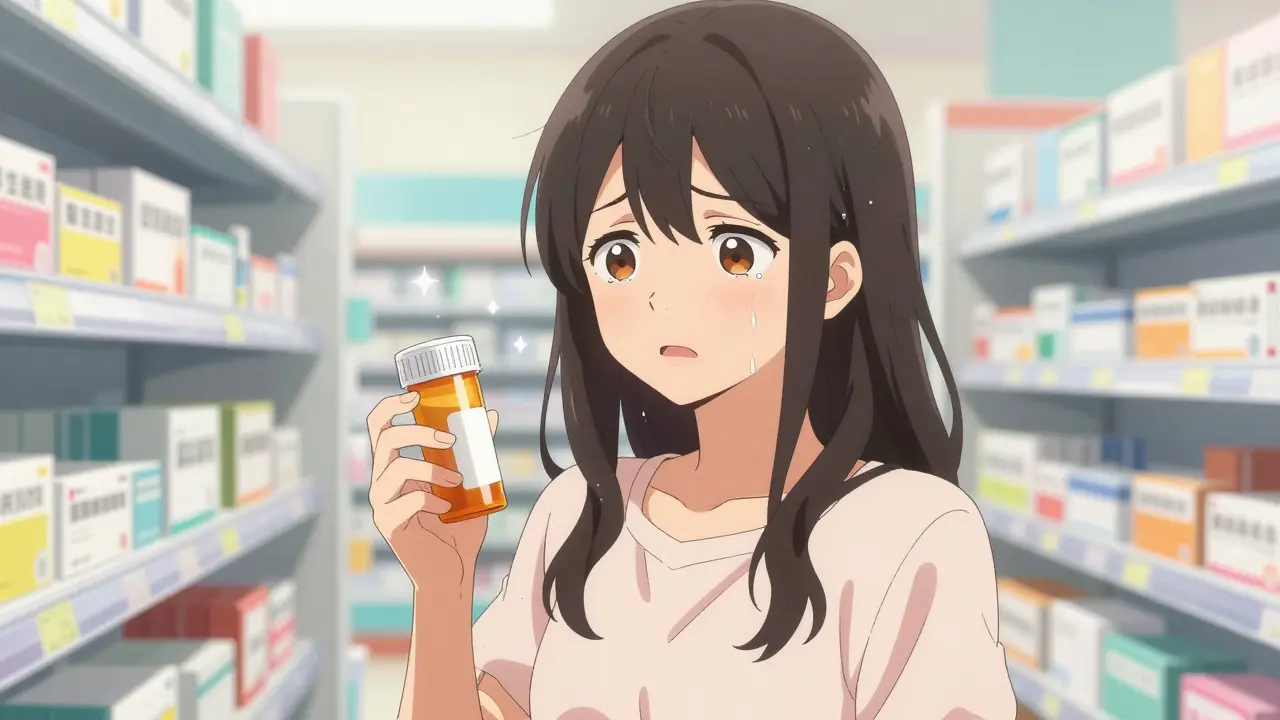
Imagine walking into your pharmacy to pick up a prescription you’ve taken for years, only to be told it’s gone. Not just out of stock, but unavailable anywhere. This isn’t a rare glitch; it is the new normal for millions of patients in the United States. As of mid-2025, there are over 270 active drug shortages nationwide. While headlines often focus on brand-name medications, the real crisis is happening with generic drugs-the affordable alternatives that make up about 90 percent of all prescriptions filled in the U.S.
The problem is systemic. Generic drug shortages have shifted from occasional blips to a persistent threat to patient safety. Between 2018 and 2023, the FDA recorded 1,391 shortages of generic drugs compared to just 600 for brand-name products. Why does this matter? Because when generics disappear, there are rarely easy substitutes. The result is delayed treatments, higher costs, and, in severe cases, life-threatening complications. Understanding why this happens is the first step toward fixing a broken system.
The Root Causes: Why Generic Drugs Keep Disappearing
To understand the shortage, you have to look at the economics. Generic drugs are cheap because manufacturers compete fiercely on price. But this competition creates a fragile ecosystem. According to industry financial reports, generic manufacturers often operate on razor-thin profit margins of just 5 to 10 percent. Compare that to brand-name drugs, which can command gross margins of 30 to 40 percent. When profits are that slim, manufacturers have little incentive to invest in backup capacity or quality improvements.
Manufacturing Concentration is a major vulnerability. Approximately 70 percent of generic drugs have only one or two FDA-approved manufacturers. If one facility shuts down due to a fire, a regulatory citation, or a quality issue, the entire supply chain snaps. There is no redundant supplier to step in immediately.
Quality issues are the primary trigger for these shutdowns. In 2020, the FDA reported that 62 percent of all drug shortages stemmed from manufacturing and quality problems. With profit margins so low, companies may cut corners on maintenance or staff training. When an FDA inspector finds a violation, production stops. Unlike larger pharmaceutical firms, smaller generic makers often lack the capital to fix these issues quickly.
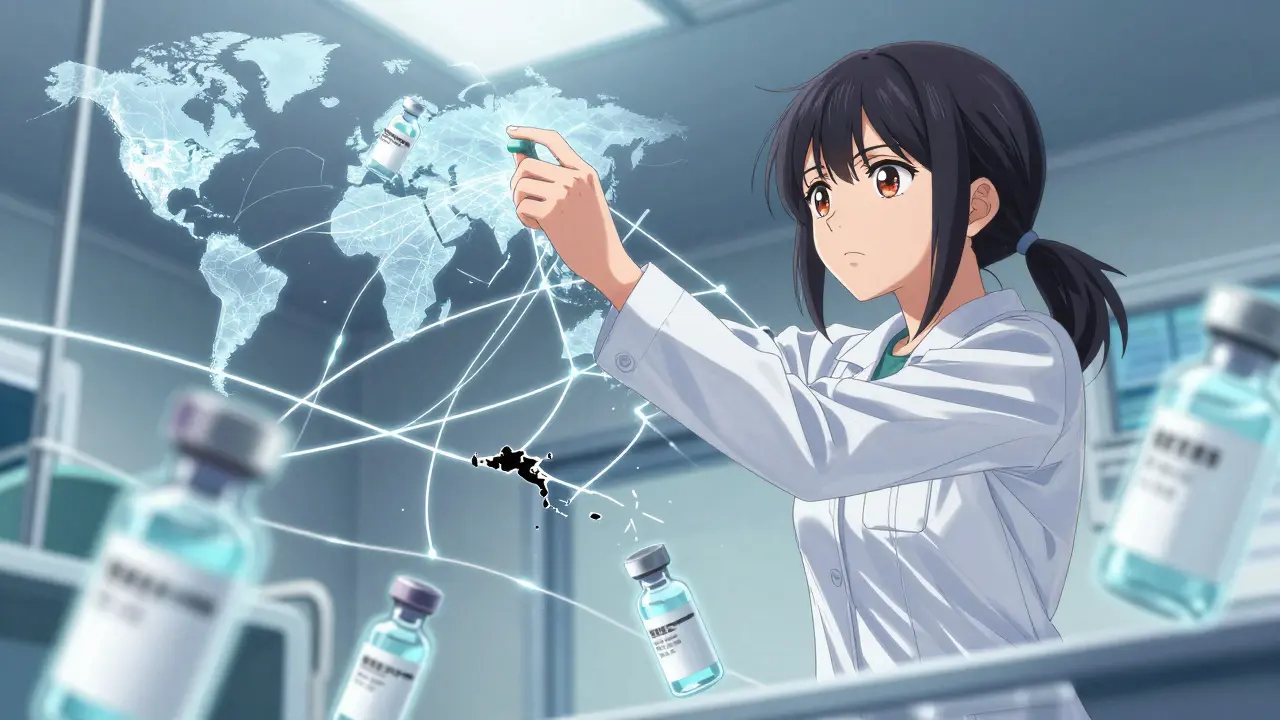
Another critical factor is global dependency. More than half of the drugs used in the U.S. are manufactured abroad. Specifically, about 80 percent of active pharmaceutical ingredients (APIs) come from facilities in China and India. Any disruption in these regions-whether political, logistical, or environmental-ripples through the U.S. healthcare system. This reliance on foreign sources for essential raw materials creates a single point of failure that domestic policy has yet to fully address.
Who Gets Hit Hardest? Sterile Injectables and Critical Care
Not all drugs are equally likely to go missing. Sterile injectable drugs, such as IV antibiotics and chemotherapy agents, account for approximately 60 percent of all generic drug shortages. These products require specialized, sterile manufacturing environments that are expensive to build and maintain. Fewer companies can produce them, making the supply chain even more concentrated.
The impact on hospitals is immediate and severe. A 2024 survey by the American Hospital Association found that 89 percent of hospitals experienced critical drug shortages that forced treatment delays. Oncology departments are particularly vulnerable. Sixty-seven percent of cancer centers reported modifying chemotherapy regimens because essential drugs like cisplatin were unavailable. Changing a chemotherapy protocol isn’t just inconvenient; it can reduce treatment efficacy and increase side effects.
| Metric | Generic Drugs | Brand-Name Drugs |
|---|---|---|
| Shortages (2018-2023) | 1,391 | 600 |
| Median Price Increase During Shortage | 14.6% | 0% |
| Median Reduction in Fills | 37.6% | 30.4% |
| Availability of Therapeutic Alternatives | Limited | Frequently Available |
As shown in the table above, the impact of generic shortages is disproportionately severe. When a brand-name drug goes short, doctors often have other branded options. When a generic goes short, the substitute might be another generic that is also scarce, or a brand-name version that costs ten times more. This forces difficult choices between clinical necessity and financial feasibility.
The Human Cost: Patient Safety and Provider Burnout
Behind every statistic is a patient whose care was compromised. A 2022 survey by the American Medical Association revealed that 63 percent of pharmacists reported serious adverse patient outcomes directly linked to drug shortages. What does this look like in practice? It means a diabetic patient unable to get their insulin analog, a heart failure patient switched to a less effective diuretic, or a post-surgical patient receiving a suboptimal antibiotic.
Pharmacists are on the front lines of this crisis. Managing shortages is not a minor task; it consumes roughly 15 to 20 hours per week per pharmacist, according to ASHP’s 2024 workforce survey. They spend this time hunting for alternatives, updating electronic health records, and counseling frustrated patients. This administrative burden exacerbates existing staffing shortages. Seventy-two percent of hospitals report that drug shortages make their staffing challenges worse, leading to burnout and reduced time for direct patient care.
Patients also face the brunt of the inconvenience. The National Community Pharmacists Association found that 43 percent of independent pharmacies reported patients abandoning prescriptions entirely due to cost or availability issues. For someone managing chronic pain or hypertension, skipping doses can lead to emergency room visits, hospitalizations, and long-term health deterioration. One hospital pharmacist noted on a professional forum in June 2025: "We've been out of vancomycin powder for 8 months now-having to use alternative antibiotics that are less effective and more expensive, putting patients at risk."
Economic Pressures and Market Consolidation
The generic drug market has changed dramatically over the last decade. Valued at $122.3 billion in 2024, the sector has seen average gross margins fall from 35 percent in 2010 to just 18 percent in 2024. This decline has driven consolidation. The top 10 generic manufacturers now control approximately 60 percent of the market, up from 45 percent in 2015. While consolidation can theoretically improve efficiency, in this context, it reduces redundancy. Fewer players mean fewer backup suppliers.
Regulatory pressures add to the economic strain. FDA inspection citations for manufacturing quality issues increased by 35 percent between 2020 and 2024. While stricter regulations are necessary for safety, they impose high compliance costs on small manufacturers operating on thin margins. Many choose to exit the market rather than invest in upgrades, further shrinking the pool of available suppliers.
Proposed trade policies could worsen the situation. Analysts at SVB Securities warned in February 2025 that tariffs ranging from 50 to 200 percent on pharmaceutical imports would disrupt an already fragile supply chain. Since most APIs come from Asia, such tariffs would either skyrocket prices or force manufacturers to halt production if they cannot pass costs to consumers.
What Can Be Done? Strategies for Resilience
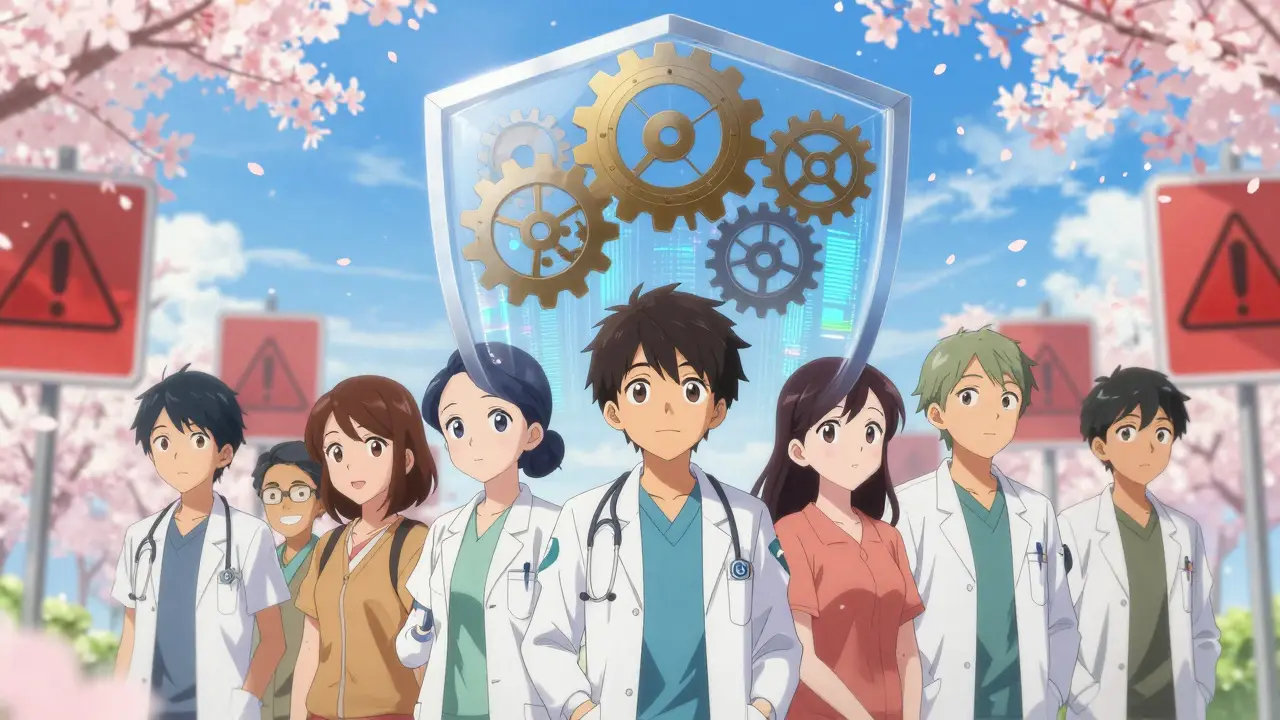
Solving the generic drug shortage crisis requires a multi-faceted approach. The FDA’s 2024 Drug Shortage Task Force identified four key strategies:
- Diversify Manufacturing: Reduce reliance on foreign APIs by incentivizing domestic production of critical ingredients.
- Financial Incentives: Create payment models that reward reliability and quality, not just the lowest price.
- Advanced Technologies: Adopt continuous manufacturing and digital monitoring to detect quality issues before they cause shutdowns.
- Early Warning Systems: Improve data sharing between manufacturers, distributors, and regulators to predict shortages before they occur.
Conclusion: A Call for Systemic Change
Generic drug shortages are not an inevitable part of modern healthcare. They are the result of specific economic incentives and supply chain vulnerabilities. Until the market rewards reliability as much as it rewards low prices, patients will continue to bear the risk. Healthcare providers must remain vigilant, advocating for better policies while doing their best to navigate the current landscape. For patients, staying informed and maintaining open communication with pharmacists is crucial. If your medication is short, ask about therapeutic alternatives and monitor for any changes in effectiveness or side effects.
Why are generic drugs more prone to shortages than brand-name drugs?
Generic drugs have much lower profit margins (5-10%) compared to brand-name drugs (30-40%). This discourages manufacturers from investing in excess capacity or multiple production sites. Additionally, many generics have only one or two approved manufacturers, creating single points of failure. When a quality issue arises, there is often no backup supplier to fill the gap immediately.
How do drug shortages affect patient safety?
Shortages can lead to delayed treatments, use of less effective alternative medications, and increased side effects. A 2022 AMA survey found that 63% of pharmacists reported serious adverse patient outcomes due to shortages. Patients may also abandon prescriptions if alternatives are too expensive or unavailable, leading to worsening chronic conditions.
What types of medications are most frequently in short supply?
Sterile injectable drugs, including IV antibiotics, chemotherapy agents, and saline solutions, account for about 60% of generic drug shortages. These products require complex, sterile manufacturing processes, meaning fewer companies can produce them, making the supply chain more fragile.
Are drug shortages getting better or worse?
While there was a temporary decrease in shortages of essential medicines following Executive Order 14050, the overall trend remains concerning. Active shortages peaked at 323 in early 2024 and remained high at 270+ in mid-2025. Without structural changes to pricing and manufacturing incentives, experts predict shortages will persist.
What can I do if my prescribed generic medication is unavailable?
Contact your pharmacist immediately to discuss therapeutic alternatives. Do not skip doses without medical advice. Ask your doctor if a different formulation or a brand-name alternative (if affordable) is appropriate. Monitor for any changes in symptoms or side effects when switching medications.