
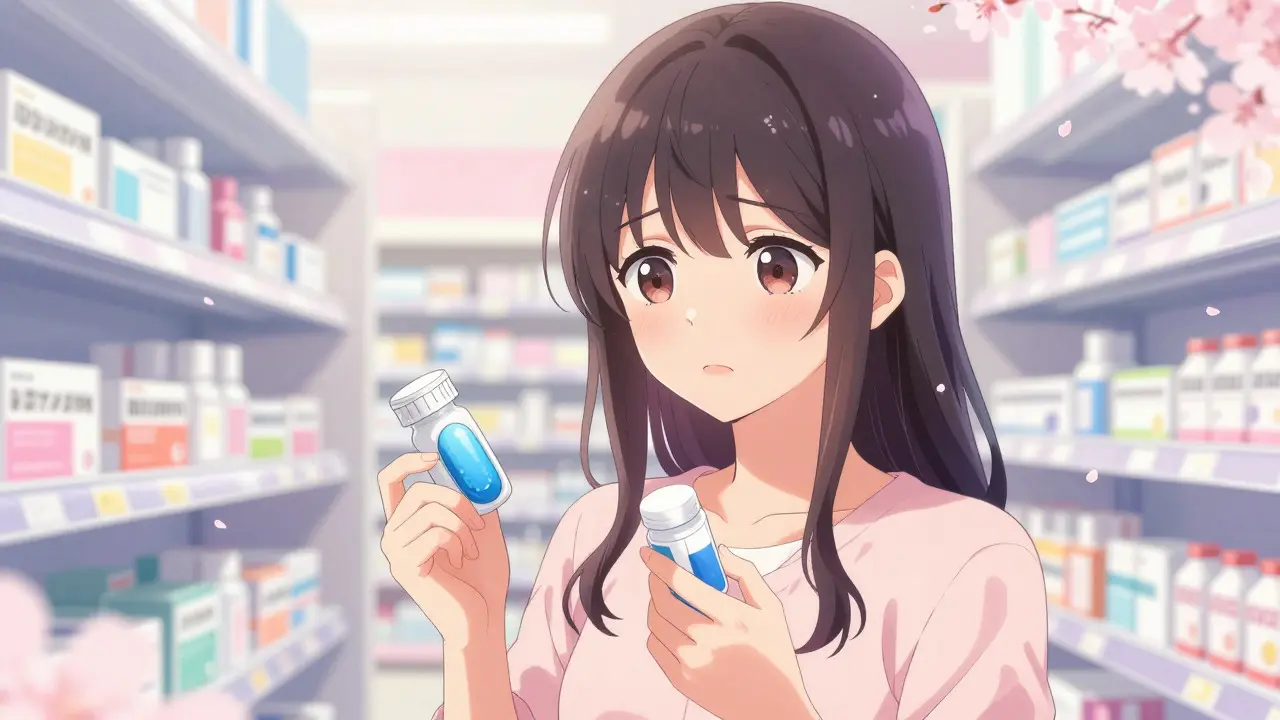
Imagine walking into a pharmacy and being handed a pill that looks nothing like the one you've taken for twenty years. The shape is different. The color is wrong. Maybe it doesn't even have the logo you recognize. Your stomach tightens. Is this really the same medicine? This isn't just a case of mistaken identity; it's a deep-seated psychological reaction known as brand loyalty. For many people, the switch to generic medications feels like a downgrade, even though science says otherwise. But here’s the twist: your reaction might depend entirely on your age.
We often assume that everyone views healthcare through the same lens. We think if we explain that generics are bioequivalent-meaning they work exactly the same as the brand-name version-everyone will agree. They don’t. A study found that nearly 36% of people still believe generics are less effective than their branded counterparts. Why does this gap exist? And why do some generations accept the switch while others resist it? To understand this, we need to look past the chemistry and into the psychology of how different age groups build trust in what they swallow.
The Trust Deficit: Why Generics Face Resistance
Let’s clear up a common misconception first. Generic medications are not "cheaper versions" or "second-best options." They are pharmaceutical products developed to match brand-name medications in active ingredients, quality, safety, and strength. Regulatory bodies like the FDA require strict bioequivalence testing before approval. In the United States, generics account for 90% of all prescriptions filled by volume. That is a massive number. Yet, despite this dominance, a "trust deficit" persists.
This deficit stems from a simple psychological principle: familiarity breeds comfort. Brand-name drugs have spent decades building recognition through marketing, distinct packaging, and consistent branding. Generics, by design, strip away much of this identity. They receive less exposure and enjoy little name recognition compared to their branded cousins. Because they are less familiar, they trigger higher perceived risk. You might wonder, "If the ingredient is the same, why does the packaging matter so much?" It matters because humans are pattern-recognition machines. When a pattern breaks-when the blue oval turns into a white capsule-our brains flag it as a potential threat, regardless of logical evidence.
How Age Shapes Medical Perception
Age acts as a filter for these perceptions. It influences not just our physical health, but our cognitive habits, our exposure to information, and our relationship with authority figures like doctors. While specific studies breaking down patient attitudes strictly by generation are rare, we can piece together the picture using data on knowledge, experience, and professional attitudes.
Consider the role of health literacy, which refers to a person's ability to find, understand, and use information to make good health decisions. Health literacy levels vary significantly across age groups due to differences in education systems, media consumption habits, and cumulative healthcare experiences. Older adults may have higher subjective knowledge-they feel confident about their meds because they’ve been taking them for years-but their objective knowledge might be outdated if regulations or formulations have changed. Younger adults, conversely, might have more up-to-date objective knowledge from digital sources but lower subjective confidence because they have less personal history with chronic conditions.
This distinction between subjective and objective knowledge is crucial. Research shows that subjective knowledge has a direct positive effect on attitude toward generics. If you *feel* you know what you're doing, you're more likely to accept the switch. Objective knowledge, however, works indirectly by reducing perceived financial risk. So, an older adult who feels knowledgeable might accept generics readily, while a younger adult who understands the cost-saving aspect might also accept them, but for different reasons.
Generational Profiles: Boomers, Gen X, Millennials, and Gen Z
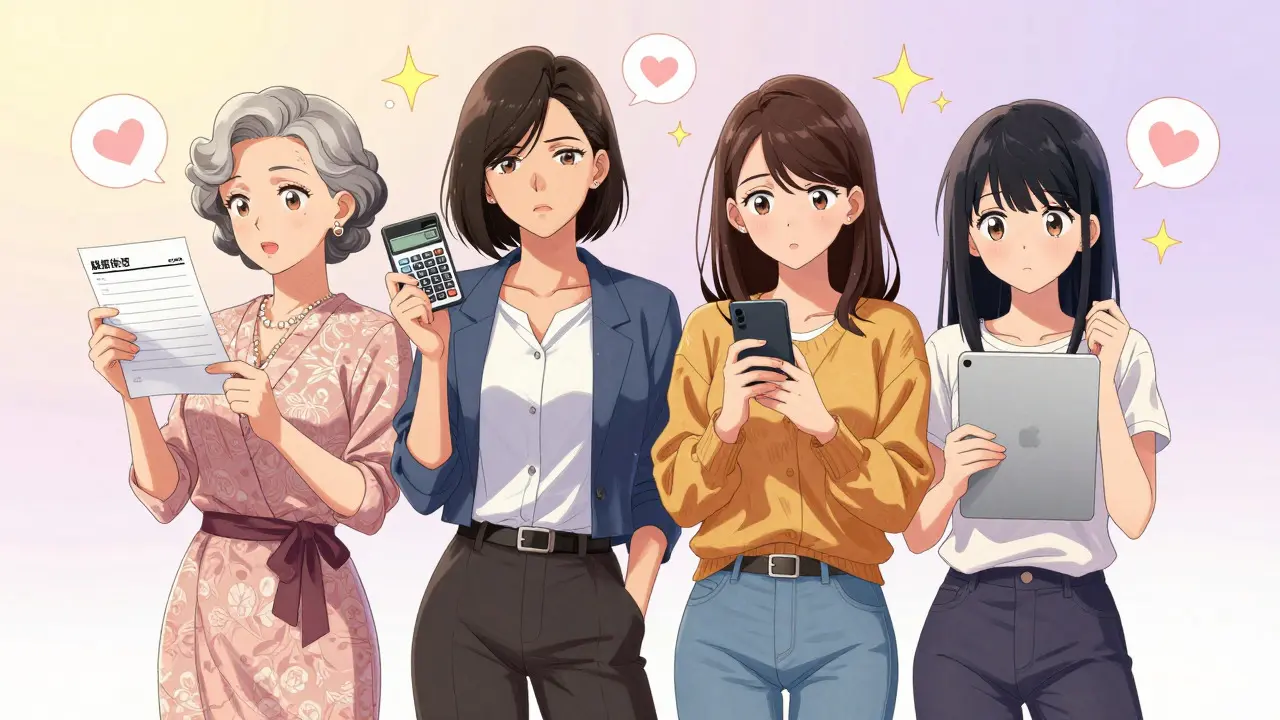
Let’s break this down by cohort to see how these factors play out in real life.
- Baby Boomers (born 1946-1964): This group has the longest medication history. They remember when brand-name drugs were the only option. Their brand loyalty is deeply ingrained, built over decades of consistent experiences. For them, the switch to generics can feel like a loss of control. However, they are also acutely aware of rising healthcare costs. If framed correctly-as a way to maintain access without bankruptcy-they may be open to the idea, provided a trusted doctor validates the switch.
- Generation X (born 1965-1980): Often called the "latchkey generation," Gen Xers value independence and skepticism. They are less likely to blindly follow authority. They tend to research thoroughly. For them, the argument for generics is practical: efficacy and price. They care less about the packaging and more about whether the drug works. They are often the most receptive to logical, data-driven explanations.
- Millennials (born 1981-1996): This generation grew up in the era of the internet and increasing transparency. They are accustomed to comparing options online. They are highly sensitive to value for money and social responsibility. They might view generics as the "smart" choice, aligning with their desire for efficiency and sustainability. However, they are also prone to anxiety about side effects, often amplified by online forums where anecdotal evidence reigns supreme.
- Generation Z (born 1997-2012): Still young, this group has limited personal experience with chronic medications. Their attitudes are forming now. They are digital natives who trust peer reviews and social media influencers as much as, if not more than, traditional medical advice. Their primary barrier is likely unfamiliarity rather than deep-seated loyalty. Education for this group needs to be visual, concise, and sourced from trusted digital platforms.
The Role of Healthcare Professionals
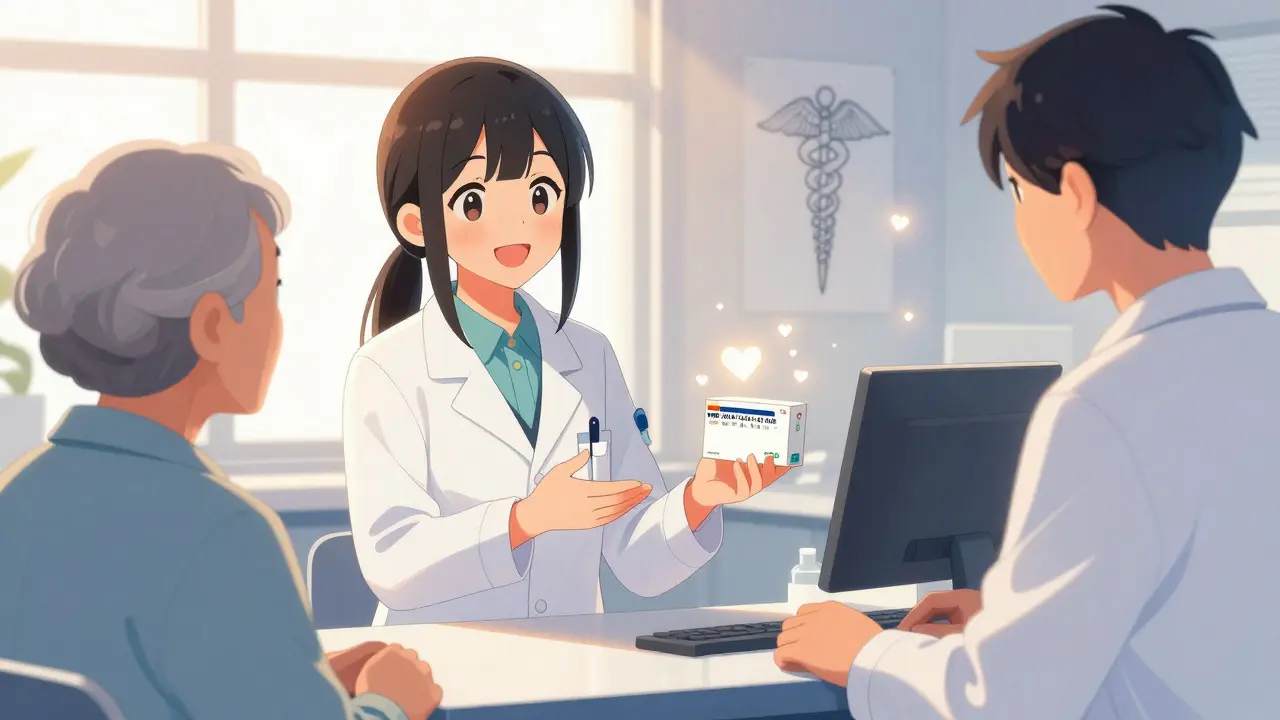
You can’t talk about patient attitudes without talking about the prescribers. Doctors and pharmacists act as gatekeepers. If a doctor hesitates to prescribe a generic, the patient notices. Studies show that healthcare professionals' attitudes toward generics vary significantly based on their working years, professional title, and educational level. Interestingly, pharmacists generally demonstrate more positive attitudes toward generics than physicians. Why? Pharmacists deal directly with the supply chain and see the immediate cost savings. Physicians, focused on clinical outcomes and long-term patient relationships, may hold onto reservations rooted in tradition or past negative anecdotes.
This professional variation creates a ripple effect. An older physician with 30 years of experience might unconsciously signal doubt when switching a patient to a generic, reinforcing the patient's existing biases. A younger pharmacist, trained in current regulatory standards, might advocate strongly for the switch. The dynamic between these two professionals shapes the patient's final decision. Therefore, training healthcare workers to communicate the benefits of generics clearly and confidently is just as important as educating the patients themselves.
Framing the Message: How Communication Changes Minds
How you say something matters as much as what you say. Research in attribute framing shows that positive framing improves perceptions of generics. Instead of saying, "This is a copy of the brand drug," try saying, "This is a high-quality alternative that meets the same rigorous standards." For less familiar products like generics, positive framing is particularly effective.
However, familiarity does not always moderate these effects. Even for people who have used generics before, negative framing can backfire. This suggests that communication strategies need to be tailored not just by age, but by individual context. For older adults, emphasize continuity and trust. For younger adults, emphasize value and modern standards. For everyone, avoid jargon. Use plain language. Explain *why* the change happened (e.g., patent expiration) rather than just stating *that* it happened.
| Generation | Primary Barrier | Key Motivator | Preferred Communication Style |
|---|---|---|---|
| Baby Boomers | Deep-seated brand loyalty; fear of change | Cost containment; doctor's reassurance | Personal, reassuring, face-to-face validation |
| Gen X | Skepticism of authority; need for proof | Efficacy data; practical cost savings | Logical, data-driven, concise |
| Millennials | Anxiety about side effects; online misinformation | Value for money; smart consumer choice | Digital-first, transparent, community-supported |
| Gen Z | Lack of familiarity; low baseline knowledge | Modern standards; peer influence | Visual, short-form, influencer-verified |
Bridging the Gap: Practical Strategies
So, how do we close this generational gap? It requires a multi-pronged approach. First, improve health literacy across all age groups. This means moving beyond brochures and using interactive tools, videos, and apps that explain bioequivalence in simple terms. Second, train healthcare providers to use consistent, positive messaging. If a doctor says, "We're switching this to save you money," it lands differently than, "We're optimizing your therapy with a proven equivalent." Third, leverage technology. For younger generations, digital health records and patient portals can include pop-up explanations when a prescription changes. For older generations, telehealth visits offer a chance for detailed Q&A sessions without the pressure of a crowded waiting room.
Finally, we must acknowledge that trust is earned, not given. Every time a patient takes a generic and feels better, that trust grows. Every time a provider explains the switch with confidence, that trust solidifies. The goal isn't just to sell cheaper pills; it's to build a healthcare system where every generation feels informed, respected, and confident in their choices.
Frequently Asked Questions
Are generic medications really as safe as brand-name ones?
Yes. Regulatory agencies like the FDA require generic drugs to prove bioequivalence, meaning they deliver the same active ingredient at the same rate and amount as the brand-name drug. Clinical trials confirm they produce the same therapeutic effect and side effect profile.
Why do older adults resist switching to generics?
Older adults often have stronger brand loyalty due to longer medication histories. They associate the specific look and feel of a brand-name drug with reliability. Additionally, they may have less exposure to recent updates in pharmaceutical regulations, leading to outdated assumptions about generic quality.
How does health literacy affect the acceptance of generics?
Higher health literacy correlates with greater acceptance of generics. People who understand the concept of bioequivalence and the regulatory process are less likely to rely on heuristics like "if it looks different, it must be worse." Improving health literacy reduces perceived risk and increases trust in generic alternatives.
Do doctors prefer prescribing generics?
Attitudes vary. Many doctors support generics for cost-effectiveness, but some hesitate due to tradition or lack of confidence in explaining the switch. Pharmacists, who manage the supply chain, often have more positive attitudes toward generics than physicians, highlighting the importance of unified messaging from all healthcare providers.
What is the best way to explain generics to a skeptical patient?
Use positive framing and focus on benefits rather than deficiencies. Avoid saying "it's a copy." Instead, say "it meets the same strict standards." Tailor the message to the patient's values: emphasize cost savings for budget-conscious patients, or clinical equivalence for those worried about efficacy. Always invite questions to address specific fears.