
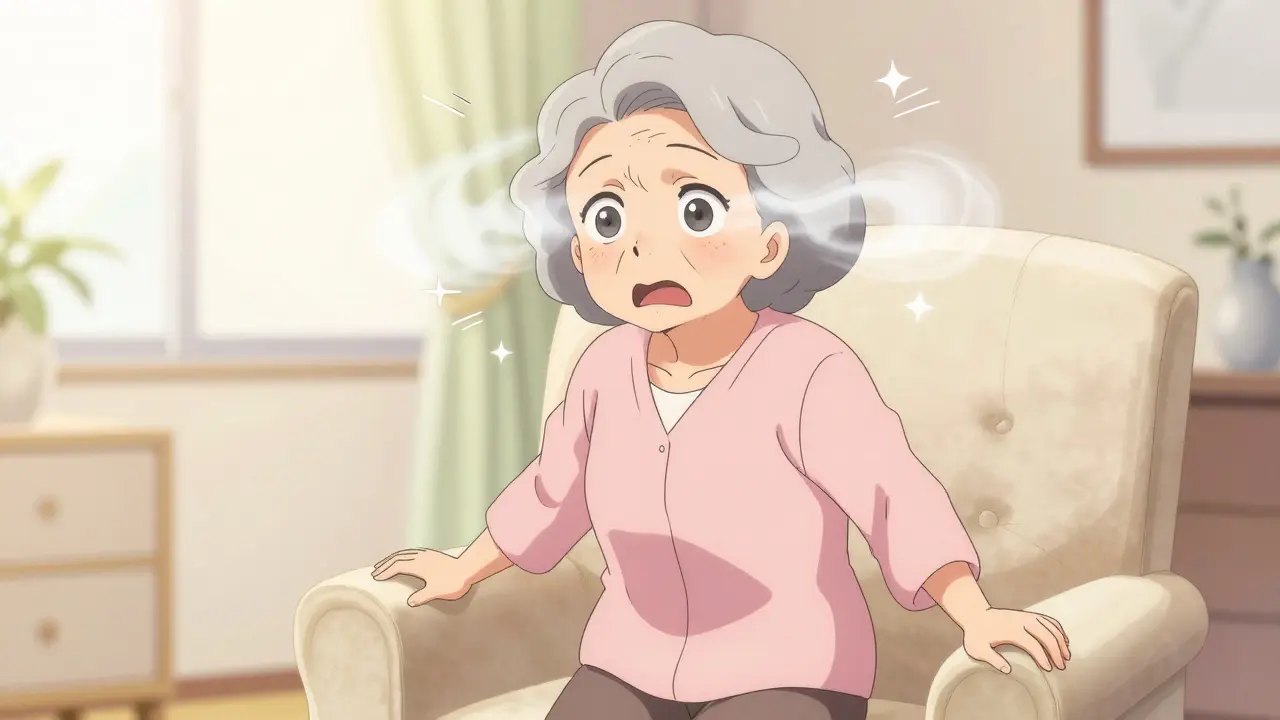
Imagine standing up from your favorite armchair to answer the phone. You feel a sudden wave of dizziness, your vision blurs, and you stumble. This isn't just bad luck or clumsiness; it might be the side effect of a pill you’ve been taking for years. For millions of older adults, this scenario is terrifyingly common. Falls are no longer viewed as an inevitable part of aging-they are often a warning sign that something in our medical routine needs adjustment.
The link between what we swallow and how steady we stand is stronger than most people realize. In fact, recent data shows that a staggering percentage of seniors who suffer fall injuries were taking at least one medication known to increase fall risk at the time of the incident. These aren't necessarily dangerous drugs in isolation, but their effects on balance, blood pressure, and alertness can turn a simple step into a life-altering accident. Understanding which specific medications pose the greatest threat is the first step toward staying upright and independent.
The Hidden Culprits: High-Risk Drug Categories
Not all pills are created equal when it comes to stability. Certain classes of medications directly interfere with the body’s ability to maintain equilibrium. The most notorious offenders are psychoactive drugs-medications that affect the brain and central nervous system. These include benzodiazepines, antidepressants, antipsychotics, and opioids. They work by calming the brain, which sounds helpful for anxiety or pain, but that same sedation slows reaction times and dulls spatial awareness.
Benzodiazepines, such as Xanax (alprazolam) and Valium (diazepam), are perhaps the most well-known fall risks. Studies have shown that these drugs can increase the odds of falling by over 40%. The danger spikes even higher with long-acting formulations because the sedative effect lingers in the system for days, causing residual grogginess.
Antidepressants also play a significant role. While Selective Serotonin Reuptake Inhibitors (SSRIs) like sertraline (Zoloft) are generally safer, they still double the rate of falling among older adults according to some systematic reviews. Tricyclic Antidepressants (TCAs) like amitriptyline are even riskier due to their anticholinergic properties, which can cause dry mouth, confusion, and blurred vision-all factors that contribute to instability.
| Medication Class | Common Examples | Primary Mechanism of Risk |
|---|---|---|
| Benzodiazepines | Xanax, Valium, Ativan | Sedation, slowed reflexes, muscle relaxation |
| Tricyclic Antidepressants (TCAs) | Amitriptyline, Nortriptyline | Orthostatic hypotension, anticholinergic effects |
| Opioids | Oxycodone, Hydrocodone | Dizziness, confusion, severe sedation |
| First-Generation Antihistamines | Diphenhydramine (Benadryl) | Drowsiness, impaired coordination |
| Blood Pressure Meds | Lisinopril, Carvedilol | Sudden drop in blood pressure upon standing |
The Blood Pressure Trap: Orthostatic Hypotension
If psychoactive drugs slow down the brain, blood pressure medications can trick the body into thinking it’s fainting. This phenomenon is called orthostatic hypotension. It happens when your blood pressure drops suddenly as you move from sitting or lying down to standing up. For many seniors, this drop is exacerbated by beta-blockers, ACE inhibitors, or diuretics.
Consider a patient named Arthur, who takes hydrochlorothiazide for his hypertension. He feels fine sitting in his chair, but when he stands to walk to the kitchen, his legs feel weak and his head spins. This isn’t just discomfort; it’s a physiological mismatch where his heart isn’t pumping fast enough to counteract gravity after the position change. Medications that lower blood pressure are essential for heart health, but if the dose is too high or the timing is wrong, they become a tripping hazard. The key here is monitoring. A drop in systolic blood pressure of 20 mm Hg or more within three minutes of standing is a red flag that requires immediate medical attention.
The Danger of Polypharmacy: More Is Not Better
One of the biggest risks isn’t a single drug, but the combination of them. This is known as polypharmacy-the regular use of multiple medications by a patient. The National Council on Aging warns that residents taking four or more prescription drugs face a significantly increased risk of falls, regardless of what those drugs are. Why? Because drugs interact. When you mix a blood thinner with an anti-inflammatory, or an opioid with a benzodiazepine, the side effects don’t just add up; they multiply.
Dr. C. Seth Landefeld, a leading geriatrician, noted that combining opioids and benzodiazepines increases fall risk by 150% compared to either medication alone. This synergistic effect creates a perfect storm of sedation and instability. Many seniors accumulate these prescriptions over decades, adding a new pill for every new symptom without ever reviewing the entire list. The result is a chemical cocktail that leaves them vulnerable to slips and trips that a healthier peer would recover from instantly.

Over-the-Counter Pitfalls: Don't Ignore the Pharmacy Shelf
We often think of "prescription-only" as the only source of risk, but the over-the-counter (OTC) aisle is full of hidden dangers. First-generation antihistamines, like diphenhydramine (found in Benadryl and many sleep aids), are potent sedatives. They cross the blood-brain barrier easily, causing drowsiness and cognitive fog. For a senior trying to navigate stairs at night, this level of impairment is critical.
Muscle relaxants sold OTC or by prescription for minor strains can also loosen muscles too much, reducing the tension needed to keep joints stable. Even laxatives, if they cause dehydration or electrolyte imbalances, can lead to weakness and fainting. The assumption that "natural" or "available without a doctor's visit" means safe is a misconception that costs many seniors their independence.
The Beers Criteria: A Guide for Safer Prescribing
To combat this issue, the American Geriatrics Society (AGS) developed the Beers Criteria. This is a widely recognized list of potentially inappropriate medications for older adults. Updated biennially, the latest 2023 version highlights specific drugs that should be avoided or used with extreme caution in patients aged 65 and older.
The Beers Criteria doesn't just list drugs; it explains why they are risky. For example, it flags bladder control medications like oxybutynin because their anticholinergic effects can cause confusion and dizziness. It advises against long-acting benzodiazepines entirely. If your doctor prescribes a medication listed on the Beers Criteria, it doesn't mean you must stop immediately, but it does mean you need a serious conversation about alternatives. Are there non-drug therapies? Are there safer, shorter-acting options?

Action Plan: How to Review Your Medications
So, what can you do right now? The most effective clinical intervention for reducing fall risk, according to Dr. Cara Cassino of George Washington University, is a comprehensive medication review. Here is a practical checklist to take to your next appointment:
- Gather Everything: Bring every pill bottle, supplement, and vitamin to your doctor. Include OTC meds and herbal remedies.
- Ask About Side Effects: Specifically ask, "Could any of these make me dizzy or sleepy?" Don't assume the doctor knows you’re feeling unsteady.
- Check for Duplication: Sometimes patients end up on two different drugs that do the same thing, doubling the side effects unnecessarily.
- Discuss Deprescribing: Ask if any medications can be lowered in dose or stopped entirely. Dr. Michael Steinman notes that reducing fall-risk-increasing medications can decrease fall rates by 20-30%.
- Monitor Timing: If you must stay on certain meds, ask if changing the time you take them (e.g., taking blood pressure meds at night instead of morning) could reduce daytime dizziness.
Pharmacist-led reviews, such as the HomeMeds program, have proven highly effective. Pharmacists are experts in drug interactions and can spot conflicts that busy primary care physicians might miss during a short visit. Consider asking your local pharmacy if they offer free medication therapy management services.
Living Safely While Managing Medications
While working with your healthcare team to optimize your prescriptions, you can also adjust your environment and habits to mitigate risk. Rise slowly from bed or chairs. Sit on the edge of the bed for a minute before standing. Use assistive devices like walkers or canes if recommended. Ensure your home is well-lit, especially at night, since poor vision combined with medication-induced drowsiness is a deadly mix.
Remember, the goal isn't to fear medication, but to respect its power. By understanding which drugs increase fall risk and actively managing your regimen, you protect not just your bones, but your freedom and quality of life. Stay informed, stay proactive, and never hesitate to question a prescription that makes you feel unstable.
Which specific medications are most likely to cause falls in seniors?
The highest risk medications include benzodiazepines (like Xanax and Valium), tricyclic antidepressants (like amitriptyline), opioids, and first-generation antihistamines (like Benadryl). Blood pressure medications can also cause falls if they lead to orthostatic hypotension, a sudden drop in blood pressure when standing.
What is the Beers Criteria and why is it important?
The Beers Criteria is a guideline published by the American Geriatrics Society that lists medications considered potentially inappropriate for older adults. It helps doctors identify drugs that have high risks of side effects, including falls, relative to their benefits in elderly patients.
Can over-the-counter (OTC) medicines increase fall risk?
Yes. Common OTC drugs like diphenhydramine (Benadryl), sleep aids containing antihistamines, and muscle relaxants can cause drowsiness, dizziness, and impaired coordination, significantly increasing the likelihood of a fall.
How does polypharmacy affect fall risk?
Polypharmacy refers to taking multiple medications simultaneously. Taking four or more drugs increases fall risk because medications can interact with each other, compounding side effects like sedation and dizziness. Combining opioids with benzodiazepines, for example, can increase fall risk by 150%.
What is deprescribing and how does it help prevent falls?
Deprescribing is the planned process of stopping or lowering doses of medications that may be causing harm or are no longer necessary. Research shows that reducing or eliminating fall-risk-increasing medications can decrease fall rates by 20-30% in older adults.