
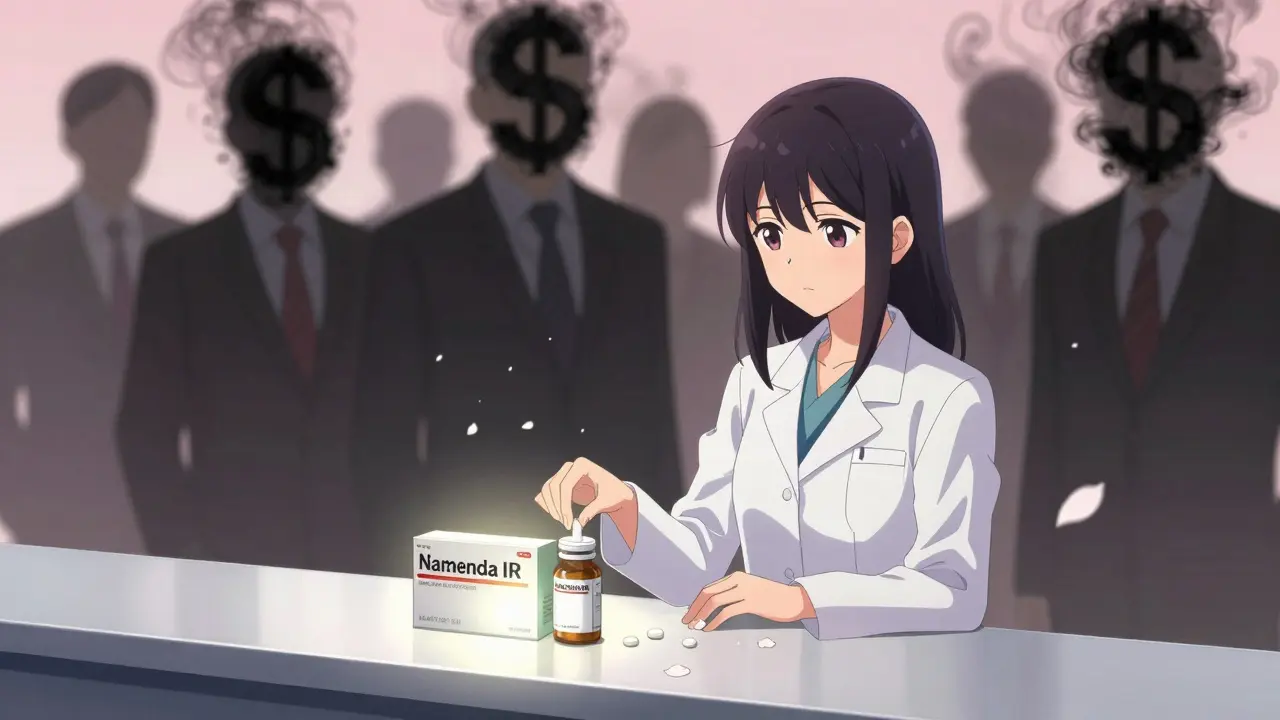
Every year, billions of dollars vanish from the U.S. healthcare system-not because of waste or fraud, but because of a legal loophole that lets drug companies delay cheaper generics. It’s not about patents. It’s not about safety. It’s about product hopping: a tactic where brand-name drugmakers swap out an old pill for a slightly different version just before generics can enter the market, making state substitution laws useless.
How Generic Substitution Is Supposed to Work
When a brand-name drug’s patent expires, pharmacists in 48 states are legally allowed to swap it for a generic version-unless the doctor says no. This isn’t a suggestion. It’s the law. The idea is simple: if two drugs are bioequivalent, the cheaper one should be filled automatically. Generic drugs cost 80% less on average. For a drug like Lipitor, that meant savings of over $100 billion in the first decade after generic entry. But here’s the catch: generics can’t compete if the original drug disappears before they even get to the pharmacy shelf.Product Hopping: The Legal Trick Behind the Delay
Product hopping isn’t innovation. It’s a calculated move. Take Namenda, a drug for Alzheimer’s. The original version, Namenda IR (immediate release), was taken twice daily. When its patent was about to expire, the maker, Actavis, introduced Namenda XR-a once-daily extended-release version-and then pulled the original off the market 30 days before generics could launch. Why does this matter? Because pharmacists can’t substitute a generic for a drug that no longer exists. Patients who were stable on Namenda IR were forced to switch to the new version. But switching isn’t easy. Doctors have to write new prescriptions. Pharmacies have to re-educate patients. Many patients just stick with the new version-even if it’s more expensive. The Second Circuit Court of Appeals called this out in 2016. They ruled that Actavis didn’t just introduce a new product. They destroyed the market for the old one to block generic competition. The court said: “State substitution laws are the only cost-efficient means of competing available to generic manufacturers.” When you remove the product those laws depend on, you’re not competing-you’re cheating.Other Tactics: REMS Abuse and Fake Safety Warnings
Product hopping isn’t the only trick. Drugmakers also abuse FDA-mandated safety programs called REMS (Risk Evaluation and Mitigation Strategies). These were meant to control dangerous drugs, like those with high addiction potential. But companies have turned them into weapons. To prove a generic drug works, manufacturers need samples of the brand-name version to test against. But when a brand refuses to sell those samples-often citing REMS rules-generics can’t get approval. A 2017 study found over 100 generic companies couldn’t access samples for more than 40 drugs. The cost? Over $5 billion a year in lost savings. Then there’s Suboxone. Reckitt Benckiser, the maker, replaced Suboxone tablets with a film strip that dissolves under the tongue. They didn’t just launch the new version-they ran ads claiming the tablets were unsafe and could be stolen by children. They threatened to pull the tablets from the market. The FTC found this was coercion. Patients weren’t choosing the film-they were being pushed into it. In 2019 and 2020, the FTC forced Reckitt to pay settlements and stop the campaign.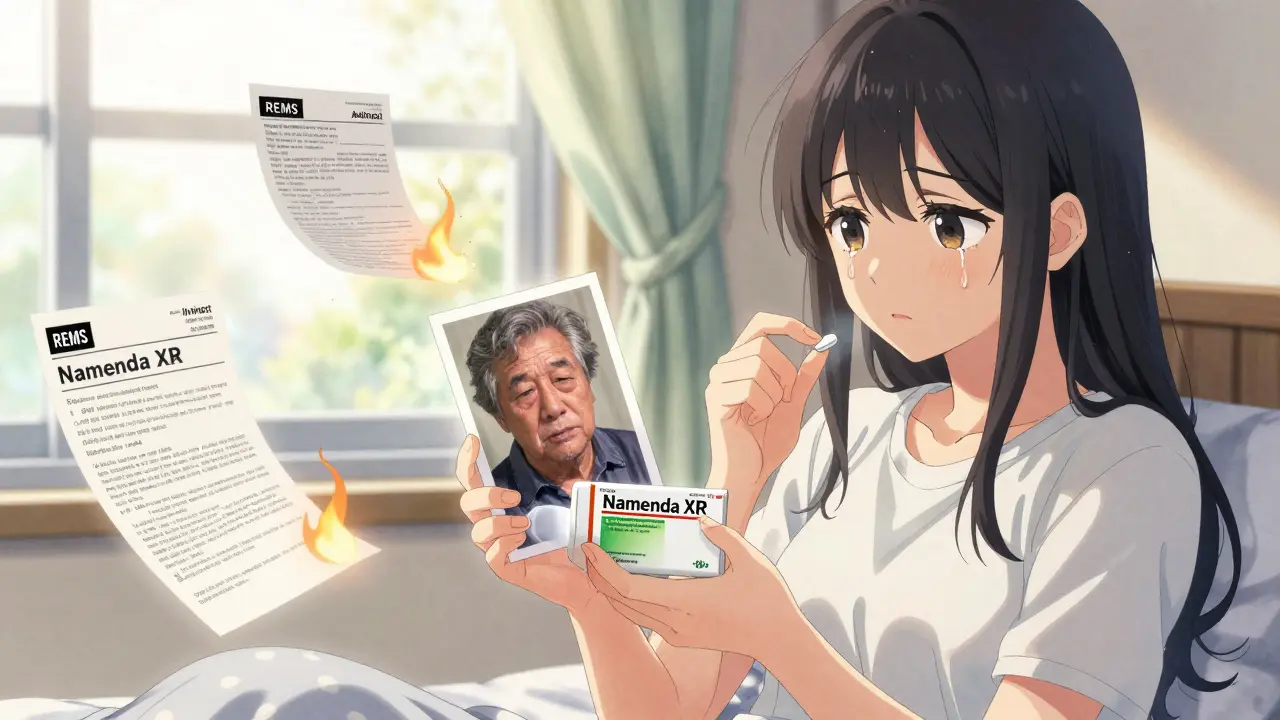
Why Courts Are Split
Not every product hop gets blocked. In 2009, a court dismissed a case against AstraZeneca for switching patients from Prilosec to Nexium. Why? Because Prilosec stayed on the market. The court saw it as offering a choice. But in Namenda, the original drug vanished. That’s the difference. Some judges still don’t get it. One ruled that generics could just spend more on advertising to win back customers. But that ignores reality. Generic makers don’t have millions to spend on ads. Their advantage is price-not marketing. When the original drug is gone, they have no shot. The FTC’s 2022 report called this inconsistency a “major barrier” to competition. They found that courts often ignore the role of state substitution laws-laws designed to protect consumers-and treat every switch as fair game.The Financial Cost
The numbers don’t lie. Between 2000 and 2020, the price of Revlimid jumped from $6,000 to $24,000 per month. That’s a 300% increase-long after its patent should have expired. In Europe, generics arrived years earlier. In the U.S., they didn’t. The result? $167 billion wasted on just three drugs: Humira, Keytruda, and Revlimid. In the Ovcon case, a manufacturer introduced a chewable version and then stopped selling the original. Generic entry dropped from 85% market share to under 15%. That’s not competition. That’s sabotage. A single generic drug can save Medicare $1 billion in its first year. But when product hopping works, those savings vanish.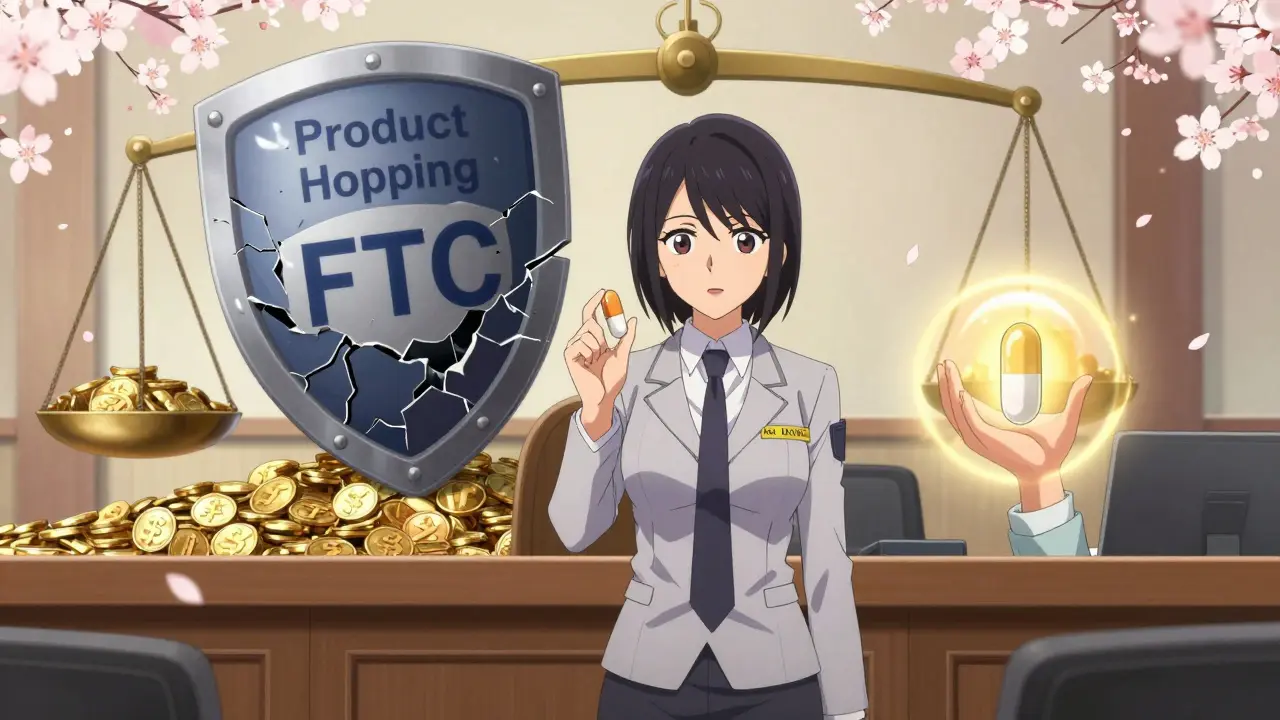
Glenda Marínez Granados
January 22, 2026 AT 05:14So we pay $24k/month for a drug that costs $5 to make... and the CEO buys a yacht? 🤡
At this point, Big Pharma isn't selling medicine - it's selling a luxury tax on sickness.
Next they'll patent oxygen and charge you for breaths.
And we wonder why people skip meds.
It's not laziness. It's survival.
Also, why are we still surprised? We let them write the rules.
And now we're shocked they cheated?
Wake up. The game was rigged from day one.
They don't fear regulators. They own them.
And we? We're just the ATM with a pulse.
😢
MARILYN ONEILL
January 23, 2026 AT 14:44OMG I CAN'T BELIEVE THIS IS HAPPENING. THIS IS JUST SO WRONG. LIKE, WHY DO THEY EVEN GET TO DO THIS? I MEAN, LIKE, PEOPLE ARE DYING AND THEY'RE JUST... CHANGING THE PILLS? I'M SO MAD. I'M CRYING. I NEED TO TELL EVERYONE.
THIS IS THE WORST THING EVER. I'M TELLING MY THERAPIST.
WHY ISN'T THIS ON THE EVENING NEWS? I'M SO ANGRY.
WHY DO WE LET THEM DO THIS? I'M SO SAD.
PLEASE REPOST. I'M SHARING THIS.
WE NEED TO MAKE A CHANGE. NOW.
Steve Hesketh
January 23, 2026 AT 18:08Let me tell you something - this isn’t just about drugs. This is about dignity.
Every time a company pulls a product hop, they’re not just protecting profits - they’re stealing someone’s peace of mind.
Imagine being stable on a pill for years. Then suddenly, you’re told your body can’t handle it anymore - even though it’s been fine for a decade.
Now you’re on a new version you didn’t ask for, with side effects you didn’t sign up for, because the old one vanished overnight.
That’s not healthcare. That’s manipulation.
And the worst part? It’s legal.
But legality doesn’t mean morality.
These companies know what they’re doing. They hire lawyers to exploit loopholes, not to cure people.
But here’s the truth - we’re not powerless.
Every voice that speaks up, every letter to Congress, every post like this - it chips away at the system.
They fear us more than they admit.
Keep talking. Keep sharing. Keep demanding change.
We’re not just patients. We’re the cure.
💪❤️
Kevin Narvaes
January 25, 2026 AT 12:57so like... big pharma is just... evil? no cap.
they dont even try to hide it anymore.
like i get patents, sure, but this? this is just... sad.
and the courts? they split on it? bro.
one judge says 'oh they offered a choice' but the other one says 'no u pulled the old one'
so which is it? are we in a court or a sitcom?
also, why are we still letting them do this?
like... i just want my insulin to not cost my firstborn.
and they call us crazy for wanting cheap meds?
nah. they're the crazy ones.
and i'm not even mad. i'm just... done.
so yeah. this is the system.
and it's broken.
and we're the ones paying for the fix.
ugh.
Dee Monroe
January 26, 2026 AT 21:39It’s fascinating, really - how deeply embedded this system is in the architecture of American capitalism. We’ve created a world where innovation is measured not by human benefit but by shareholder value, where the very mechanism meant to ensure affordability - state substitution laws - is weaponized against the public by corporate actors who understand the legal system better than most judges.
What’s more troubling is that this isn’t an anomaly; it’s a pattern. The Namenda case wasn’t the first, and it won’t be the last. The Suboxone campaign was a textbook example of manufactured fear as a market-control tool.
And yet, we keep acting like this is just ‘business.’
But business doesn’t have the right to manipulate health outcomes for profit.
It’s not capitalism. It’s medical feudalism.
And the fact that the FTC has to step in like a fire marshal at a warehouse full of gasoline tells us everything we need to know about the failure of self-regulation.
There’s no moral compass here - only a spreadsheet.
And the people who pay the price? They’re not customers. They’re collateral.
We need systemic reform, not patchwork lawsuits.
Because when a life is measured in monthly co-pays, we’ve already lost.
And we’re still pretending we’re winning.
Alex Carletti Gouvea
January 27, 2026 AT 07:16Y’all act like America is the only country with drug prices.
Europe has socialized medicine. We have capitalism.
Want cheaper drugs? Move to Sweden.
Stop crying about it.
Also, generics are just copycats.
They don’t do the R&D.
So why should they get the profit?
Patents protect innovation.
Stop being jealous of Big Pharma’s success.
They built this. You didn’t.
Now go work harder.
Philip Williams
January 29, 2026 AT 00:12While the article presents a compelling narrative, it’s worth noting that product hopping may sometimes reflect legitimate advancements in drug delivery systems - such as improved compliance through once-daily formulations.
Moreover, REMS protocols are designed to mitigate serious public health risks, and restricting sample access may be necessary in cases involving controlled substances.
It’s also important to recognize that generic manufacturers often delay their own filings due to insufficient bioequivalence data or manufacturing capacity.
While regulatory abuse is concerning, the issue is multifaceted.
Blaming pharmaceutical innovation for market dynamics risks undermining future medical breakthroughs.
Perhaps the solution lies not in restricting brand manufacturers, but in accelerating generic approval pathways and increasing transparency in REMS implementation.
Competition should be encouraged, but not at the expense of patient safety or scientific integrity.
Jerry Rodrigues
January 29, 2026 AT 08:40Yeah this is wild
but honestly i'm not surprised anymore
they've been doing this for decades
and nobody does anything
so why would this be different
just another day in the US healthcare circus
pass the popcorn
lokesh prasanth
January 31, 2026 AT 00:42patents expire. laws exist. companies cheat.
simple.
no one stops them.
why?
because they pay politicians.
done.
Malvina Tomja
January 31, 2026 AT 01:08Oh please. This is the same tired narrative.
Generic manufacturers are opportunists who wait for patents to expire like vultures.
They don’t innovate. They don’t risk. They just copy.
And now they want the government to force brand companies to keep selling the old version?
That’s not competition. That’s theft of intellectual property.
Also, why are we still letting pharmacists substitute without a doctor’s consent?
That’s dangerous.
Patients need stability.
Not cost-cutting chaos.
And don’t get me started on the FTC - they’re just another bureaucratic overreach.
Let the market decide.
It’s not the government’s job to protect people from their own choices.
Or from pharmaceutical companies.
It’s the patient’s job to be informed.
And most aren’t.
So stop blaming the drugmakers.
Blame the public for being lazy.
Samuel Mendoza
January 31, 2026 AT 22:43So let me get this straight - you want the government to force a company to keep selling a 10-year-old version of a drug so generics can undercut it?
That’s not freedom. That’s socialism.
And why should a company be punished for improving a product?
That’s innovation.
Not fraud.
Also, if you’re so upset about prices, why don’t you buy the generic?
Oh wait - you can’t because you’re too lazy to switch.
Stop blaming the drugmakers.
Blame yourself.
Yuri Hyuga
January 31, 2026 AT 23:40This is why I believe in the power of collective action 💪🌍
Every time we speak up - whether it’s writing to our reps, sharing stories, or just talking to a friend - we chip away at the wall.
The Namenda ruling? That was a win for the people.
The Suboxone settlement? That was a win for truth.
And the FTC’s report? That’s the blueprint for change.
Yes, the system is rigged - but it’s not unbreakable.
What’s happening here isn’t just about drugs.
It’s about whether we value human life over quarterly earnings.
And I choose life.
Every single time.
Let’s keep pushing. Not with rage - with relentless, quiet, unstoppable hope.
Because change doesn’t come from the top.
It comes from us.
🌱❤️